
Application
Home Appliances
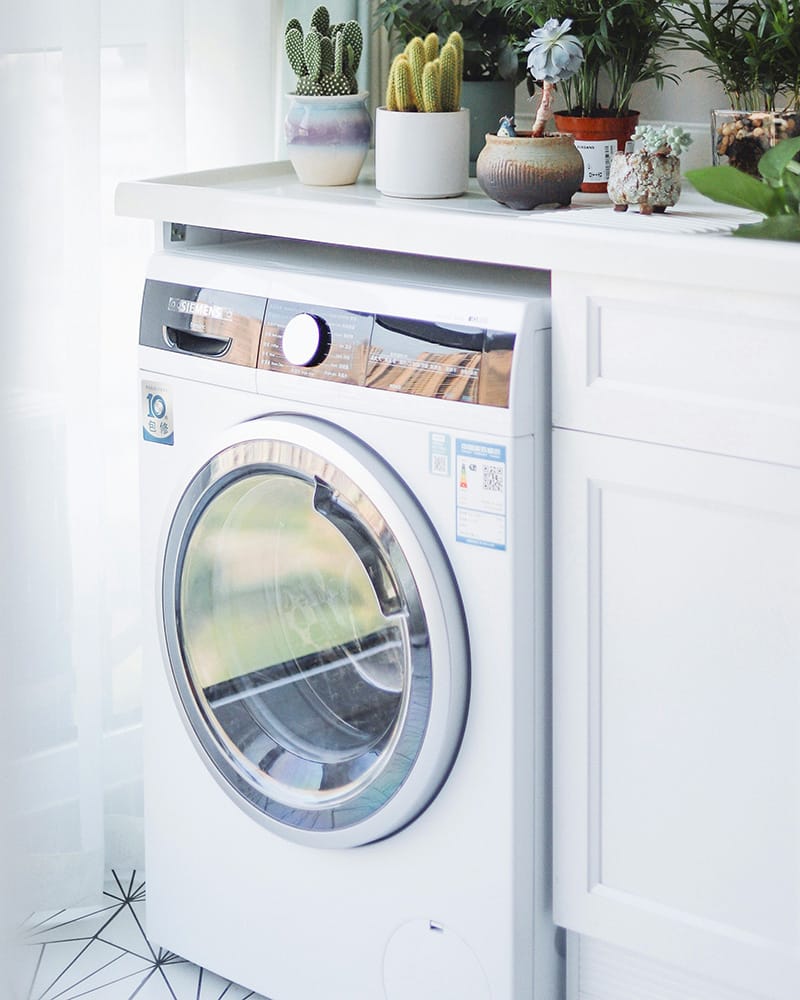
Home appliances require compact bearings that run quietly and reliably through repeated daily use. Washing machines, fans, vacuum cleaners, kitchen appliances and small electric motors all depend on smooth rotation in limited installation space.
For appliance manufacturers, bearing selection is shaped by noise control, vibration reduction, corrosion resistance, cost efficiency and long service life. A small change in bearing quality can affect the sound, feel and durability of the finished product.
Appliance bearings often work near moisture, dust, detergent, heat or frequent start-stop cycles. Proper sealing, grease selection and material choice help reduce friction, prevent contamination and keep the equipment stable over time.
Typical bearing choices for home appliances include deep groove ball bearings, miniature ball bearings and stainless steel bearings. Each option should be matched to the appliance structure, speed, load, moisture exposure and noise requirements.
Products
Deep Groove Ball Bearings
Deep groove ball bearings are widely used in home appliances such as washing machines, fans, vacuum cleaners and small electric motors. Their compact structure, low friction and reliable rotation make them suitable for high-volume appliance designs.
For household equipment, quiet running and stable performance are especially important. These bearings can support smooth operation in compact motor assemblies while helping reduce vibration and maintenance needs.
They are a practical choice where the bearing must balance cost, durability and simple installation. With suitable seals and grease, deep groove ball bearings can handle many standard appliance environments.
Miniature Ball Bearings
Miniature ball bearings are used in small motors, fans, pumps and compact appliance mechanisms where limited space requires precise bearing solutions. Their small size supports lightweight designs without sacrificing rotational stability.
In home appliance applications, miniature bearings help deliver quiet operation and efficient movement in products such as personal care devices, kitchen appliances, cooling fans and small electric drives.
Because these bearings are used in tight assemblies, dimensional accuracy and clean running are especially important. Stable quality helps reduce noise, friction and early wear in small moving components.
Stainless Steel Bearings
Stainless steel bearings are suitable for appliance environments where moisture, cleaning exposure or corrosion resistance matters. They are commonly considered for kitchen equipment, small pumps and components operating near water or humidity.
Their corrosion-resistant materials help extend service life and maintain clean operation in household equipment. For appliance manufacturers, stainless steel bearings provide a practical option where standard bearing steel may face environmental limitations.
These bearings are useful when the application needs a balance of hygiene, durability and smooth movement. They can help protect performance in damp or frequently cleaned appliance structures.
FAQs
What loads can deep groove ball bearings handle?
Home appliance bearing selection depends on compact size, noise level, speed, moisture exposure, load and expected product life. Washing machines, fans, vacuum cleaners and small motors often require different bearing structures.
How do I select the right bearing size for my application?
Deep groove ball bearings are widely used in appliances because they are compact, efficient and suitable for smooth rotation. Miniature bearings are used where space is limited, while stainless steel bearings are useful in humid or corrosion-prone environments.
What is the difference between open, shielded (ZZ), and sealed (2RS) bearings?
Low-noise operation is affected by bearing precision, lubricant choice, seal design, installation accuracy and motor balance. For household products, stable quiet running is often as important as load capacity.
How often should I lubricate or replace the grease?
Sealing and lubrication should match the appliance environment. Dust, moisture, detergent exposure and heat can shorten bearing life if the bearing structure and grease are not selected correctly.
What are the common causes of premature bearing failure?
Common appliance bearing failures include noise increase, lubricant degradation, corrosion, contamination and installation damage. Early vibration or rough running often indicates that the bearing environment should be reviewed.
How is the rated service life (L10) of a bearing calculated?
ETM can support appliance bearing selection around noise, size, corrosion resistance and cost targets. Miniature and stainless steel options can be considered for compact or moisture-exposed designs.
Get a Fast Response from Our Team
Share your bearing requirements or project details — our team will review your inquiry and respond with the right product recommendations and pricing.
ETERNUM MOTION TECHNOLOGY