
Products
Insulated Bearings
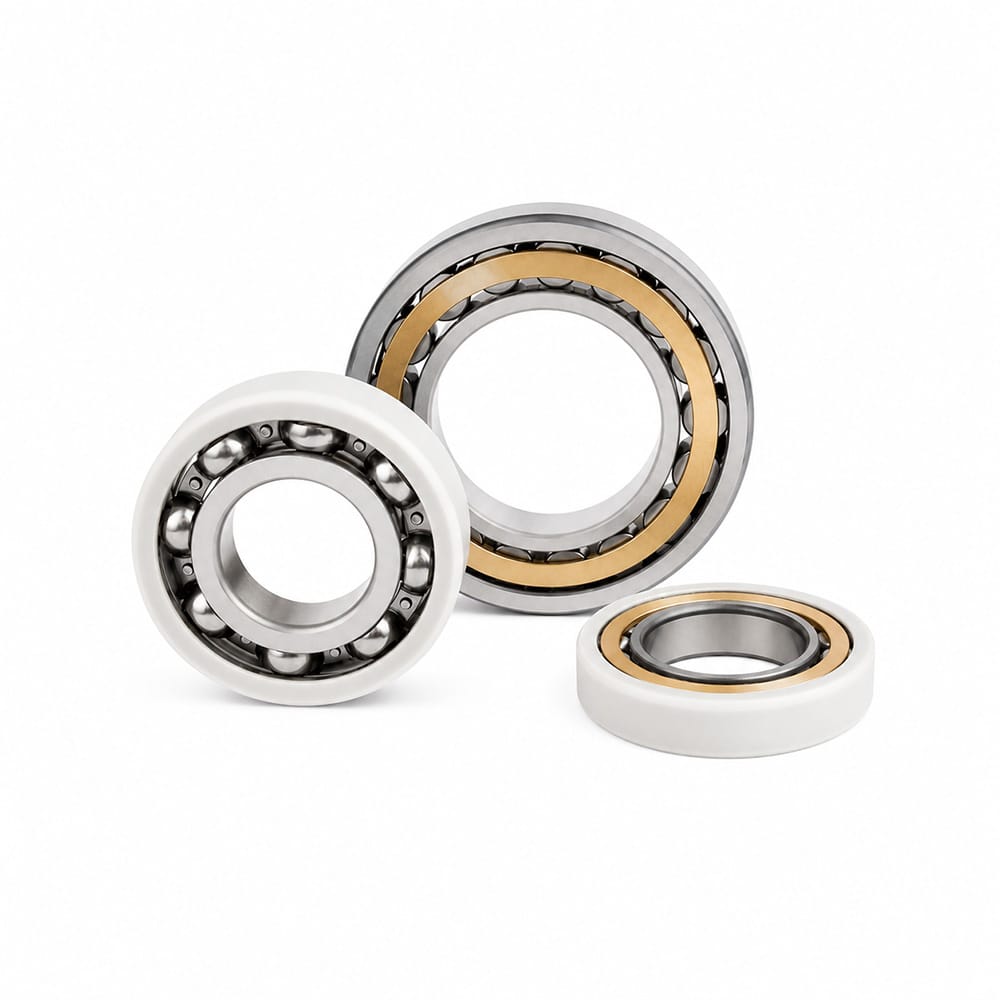
Product Overview
Insulated Bearings are rolling bearings designed to prevent stray electric current from passing through the bearing. By adding an electrically insulating layer to the outer ring, inner ring, or rolling elements, they help protect raceways and rolling elements from electrical erosion, fluting, pitting, and lubricant degradation.
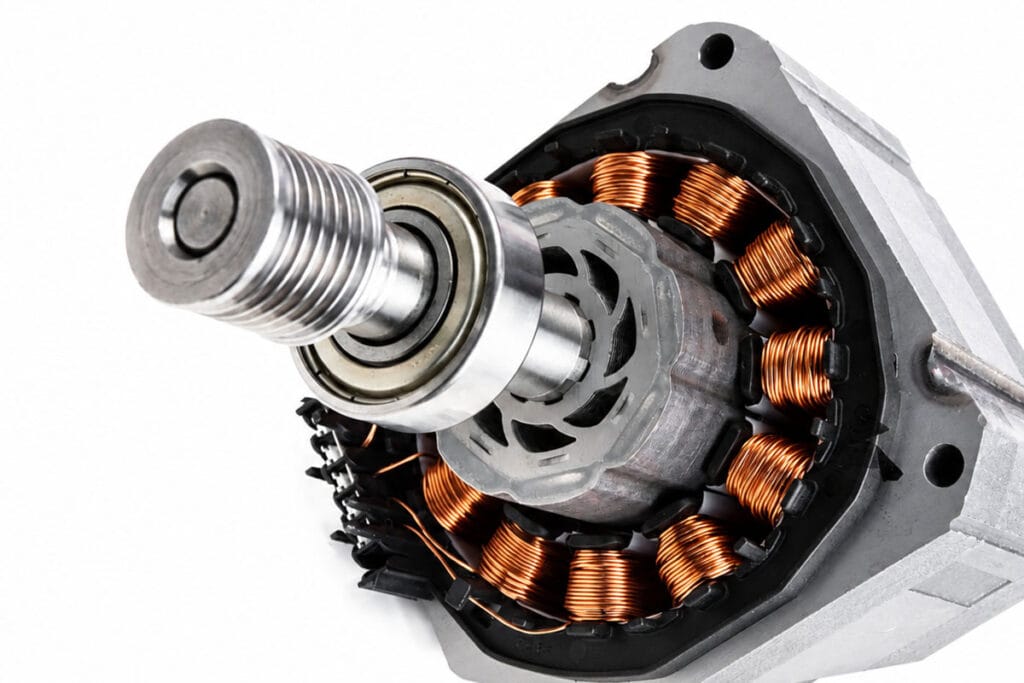
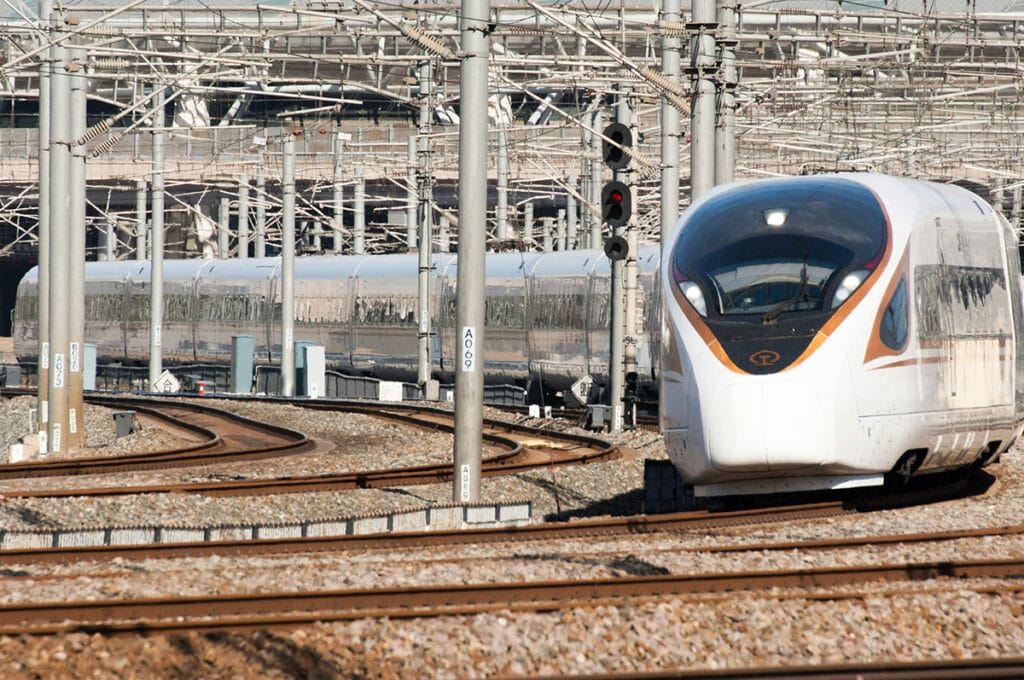
They are widely used in electric motors, generators, wind turbines, railway traction systems, variable frequency drive equipment, and industrial power transmission systems where shaft voltage or circulating current can shorten bearing life. Insulated bearing designs allow equipment builders to retain standard bearing dimensions while improving reliability in electrically active operating environments.
Common options include ceramic-coated outer ring bearings, ceramic-coated inner ring bearings, and hybrid ceramic bearings with silicon nitride rolling elements. Selection depends on insulation resistance requirements, bearing size, operating speed, load, installation method, and whether the main risk is shaft current, circulating current, or high-frequency discharge from inverter-driven motors.
Technical Specifications
| Product Types | Outer ring insulated, inner ring insulated, hybrid ceramic insulated bearings |
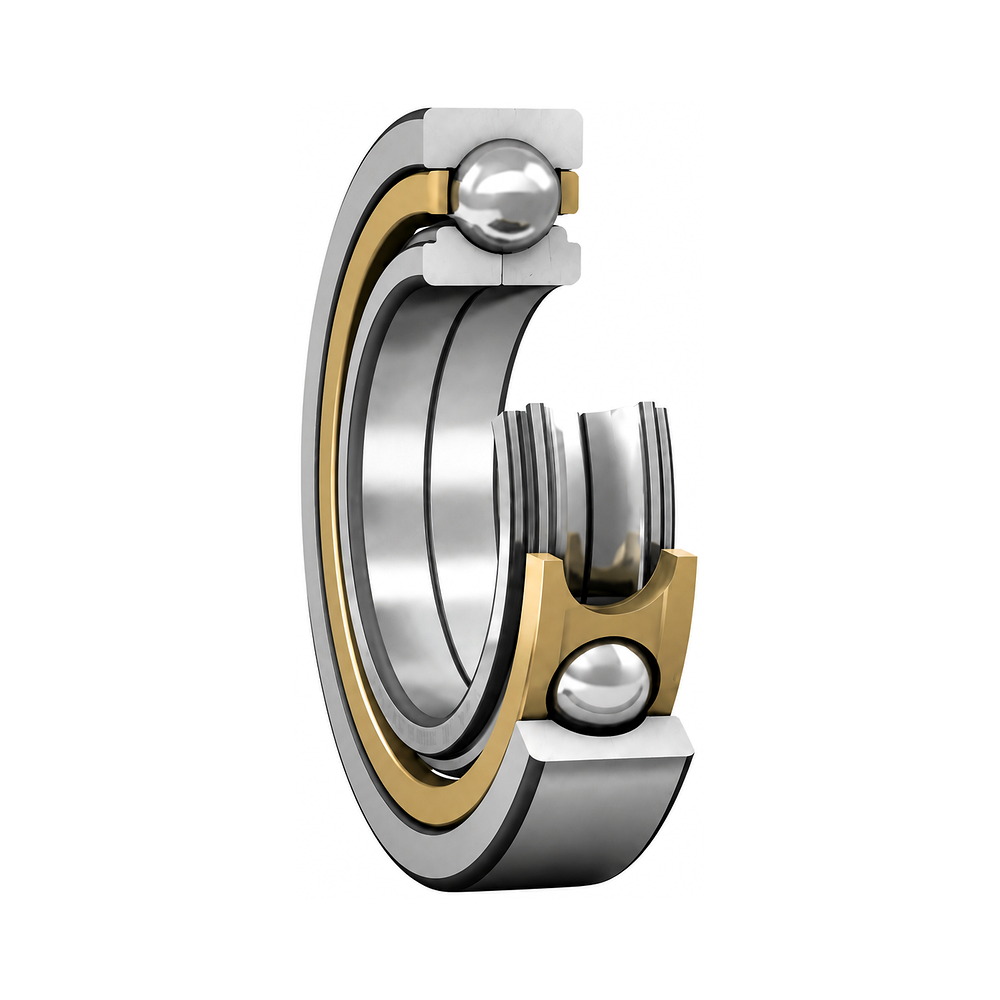
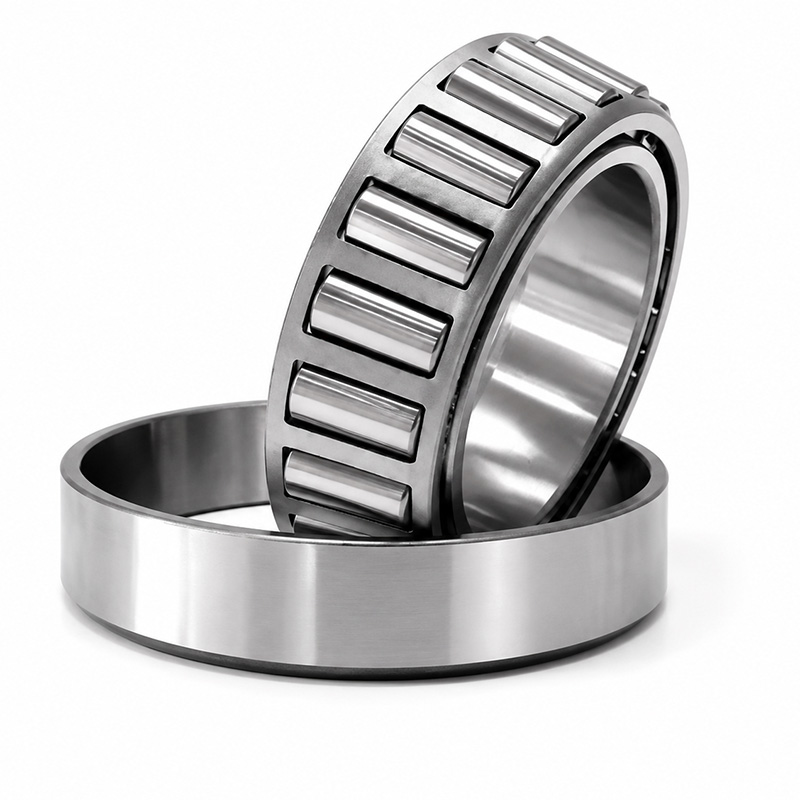
| Common Bearing Series | Deep groove ball bearings, cylindrical roller bearings, angular contact ball bearings, spherical roller bearings |
| Insulation Method | Plasma-sprayed ceramic coating or ceramic rolling elements |
| Insulated Position | Outer ring coating, inner ring coating, or rolling element insulation |
| Insulation Resistance | Typically 50 MΩ to 1000 MΩ or customized by application |
| Withstand Voltage | 500 VDC, 1000 VDC, or higher insulation grades available |
| Bore Diameter Range | 10mm – 500mm, depending on bearing type and series |
| Material Options | GCr15 / 52100 chrome steel, bearing steel with ceramic coating, Si3N4 ceramic balls or rollers |
| Cage Options | Steel, brass, polyamide, or application-specific cage designs |
| Precision Grades | P0, P6, P5; higher precision available for motor and spindle applications |
| Clearance Options | C0, C3, C4, and custom internal clearance according to operating temperature and fit |
| Temperature Range | -40°C to +150°C standard, high-temperature options available |
| Lubrication | Grease or oil lubrication; low-noise and high-temperature grease optional |
| Standards Met | ISO 9001, ISO 15, ISO 492, DIN, JIS; application-specific motor bearing requirements |
Key Features
- Electrical current protection — helps prevent fluting, pitting, and electric arc damage on raceways.
- Longer service life — reduces premature failures caused by stray shaft voltage and circulating current.
- Drop-in dimensional compatibility — many designs match standard bearing boundary dimensions.
- Multiple insulation options — outer ring, inner ring, or hybrid ceramic designs for different current paths.
- Stable motor performance — suitable for inverter-driven motors, generators, and high-reliability rotating equipment.
- Custom engineering support — insulation resistance, clearance, lubrication, and precision can be matched to working conditions.
Featured Products
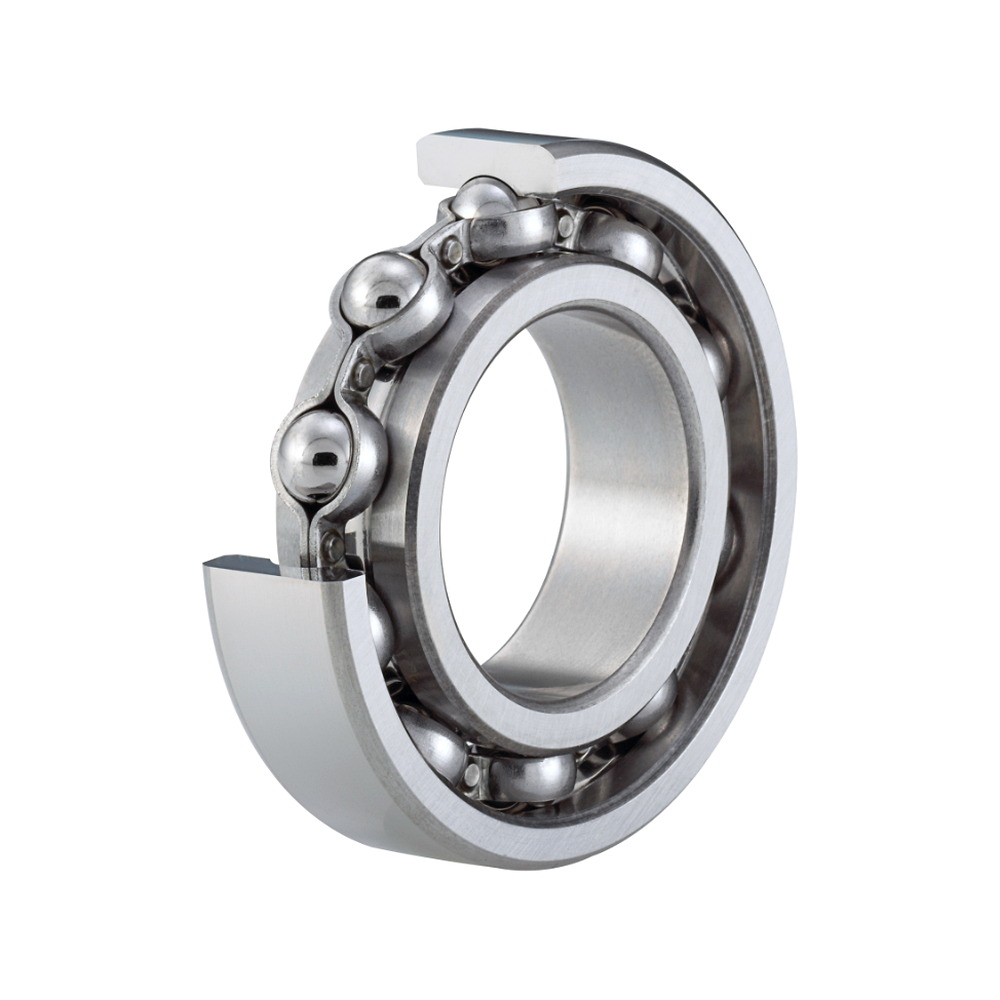
Insulated deep groove ball bearings combine the low-friction, high-speed performance of standard deep groove ball bearings with an electrically insulating design that helps prevent current from passing through the raceways. They are suitable for motors, fans, pumps, and drive systems where shaft voltage may cause fluting, pitting, increased noise, or lubricant breakdown.
Available with coated ring insulation or application-specific electrical protection, these bearings help improve service life while keeping compact dimensions, smooth rotation, and reliable performance for OEM production and maintenance replacement.
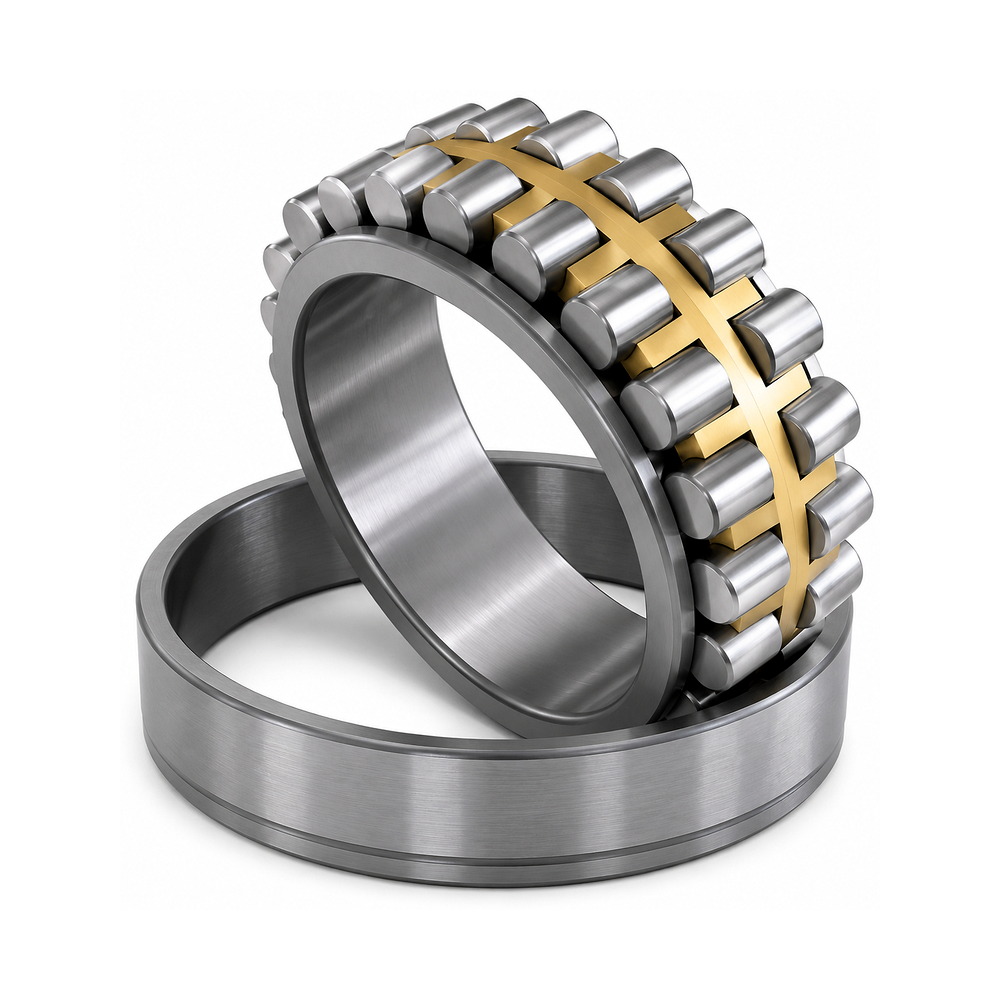
Insulated cylindrical roller bearings are designed for applications requiring high radial load capacity together with protection against electrical current damage. Their roller design provides strong load support for large motors, generators, railway traction equipment, and heavy industrial rotating machinery where electrical erosion can quickly shorten bearing life.
The insulated design helps reduce raceway fluting and arc marks while maintaining stable running accuracy under demanding operating conditions. Options can be selected according to load, speed, clearance, insulation resistance, lubrication, and mounting requirements.
Hybrid ceramic bearings use steel rings with silicon nitride rolling elements to reduce electrical conductivity, rolling mass, friction, and heat generation. This makes them a strong choice for high-speed motors, precision drives, inverter-driven equipment, and applications where both electrical insulation and low operating temperature are important.
Compared with conventional steel bearings, hybrid ceramic designs can improve speed capability, reduce wear under marginal lubrication, and provide better resistance to electrical discharge damage in sensitive rotating systems.
Applications
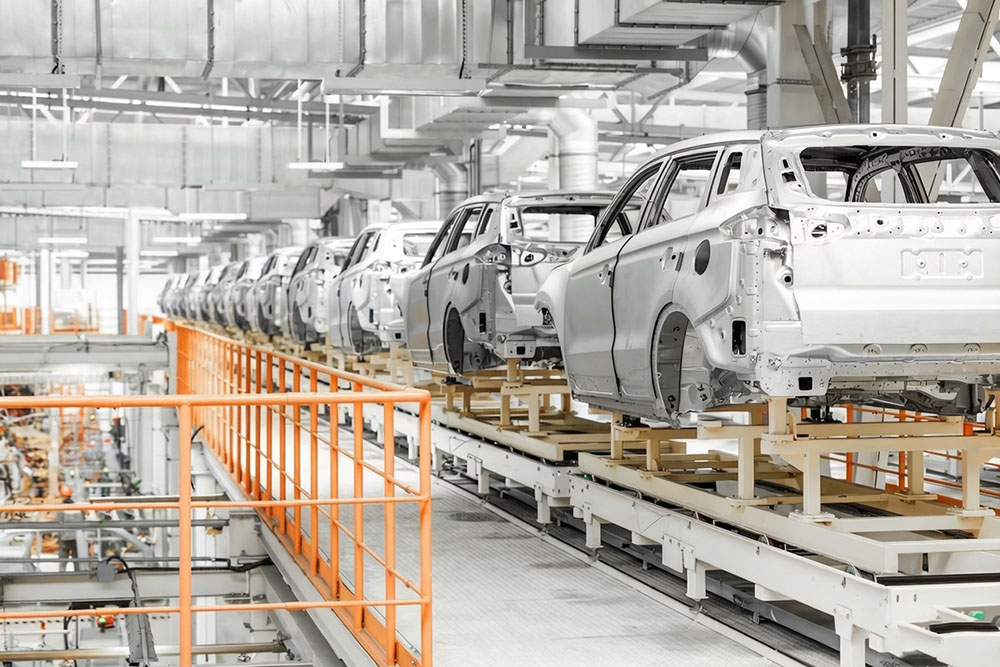
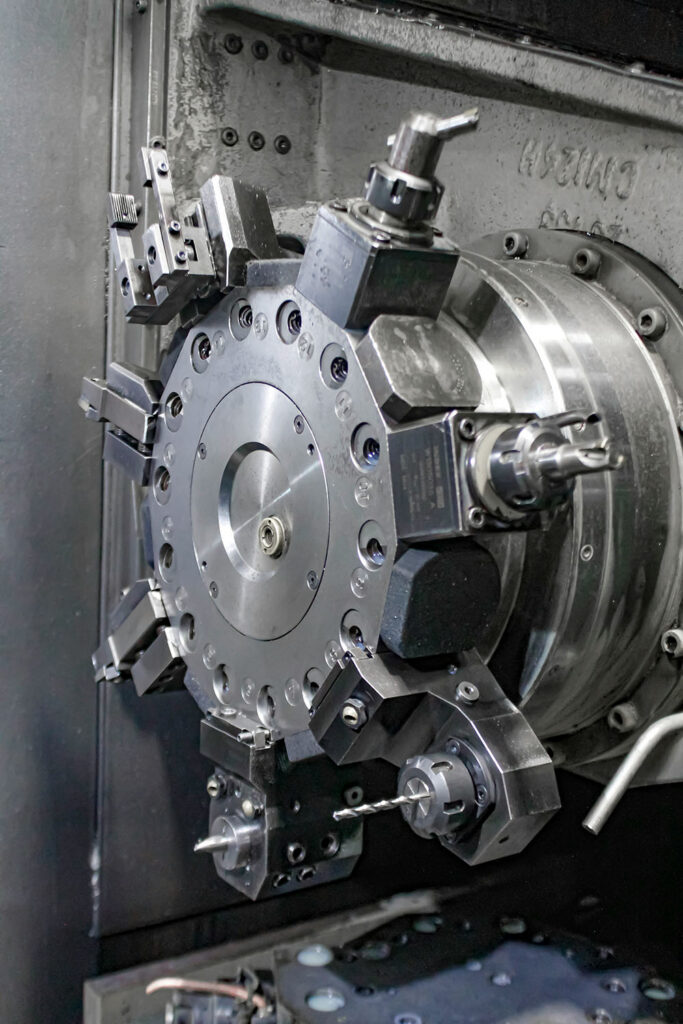
Insulated Bearings are mainly used in equipment where electrical current can pass through the shaft or housing and damage bearing raceways. They are especially suitable for industrial motors, railway traction systems, automotive electric drives, and precision machine tool drive systems where electrical erosion, fluting, and lubricant degradation must be controlled.
Technical Resources
Whether you are an engineer, procurement manager, or equipment maintenance professional, here you will find in-depth content covering bearing operating principles, technical parameter interpretation, industry application analysis, and selection logic — helping you build a comprehensive understanding of bearing products and make more informed decisions in real-world applications.
FAQs
What are insulated bearings used for?
Insulated bearings block or greatly reduce electrical current passing through the bearing. This helps prevent raceway fluting, pitting, arc marks, lubricant deterioration, and premature noise or vibration caused by electrical discharge.
How do I select the right insulated bearing?
Selection should consider bearing type and size, expected shaft voltage, insulation resistance requirement, operating speed, load, fit, internal clearance, lubrication, and temperature. It is also important to identify whether the current path is through the shaft, housing, or both.
What is the difference between outer ring, inner ring, and hybrid ceramic insulation?
Outer ring insulation: Common for motor and generator applications where the housing current path must be interrupted.
Inner ring insulation: Useful when shaft-side current isolation is required.
Hybrid ceramic: Uses ceramic rolling elements to provide electrical insulation with low friction and strong high-speed capability.
Can insulated bearings replace standard motor bearings?
Yes. Many insulated bearings are manufactured with the same boundary dimensions as standard bearings, making them suitable as replacements during motor repair or equipment upgrades. Fit, clearance, speed, and load ratings should still be checked before replacement.
When should I choose hybrid ceramic insulated bearings?
Hybrid ceramic bearings are often preferred for high-speed motors, inverter-driven equipment, and applications where both electrical insulation and reduced friction are important. Ceramic-coated bearings are a cost-effective solution for many medium and large motor applications.
What insulation resistance or voltage rating should I choose?
Insulation performance is commonly specified by insulation resistance and withstand voltage. Typical requirements may range from 50 M�� to 1000 M�� and 500 VDC to 1000 VDC or higher, depending on motor size, inverter frequency, and operating environment.
Get a Fast Response from Our Team
Share your bearing requirements or project details �� our team will review your inquiry and respond with the right product recommendations and pricing.
ETERNUM MOTION TECHNOLOGY