
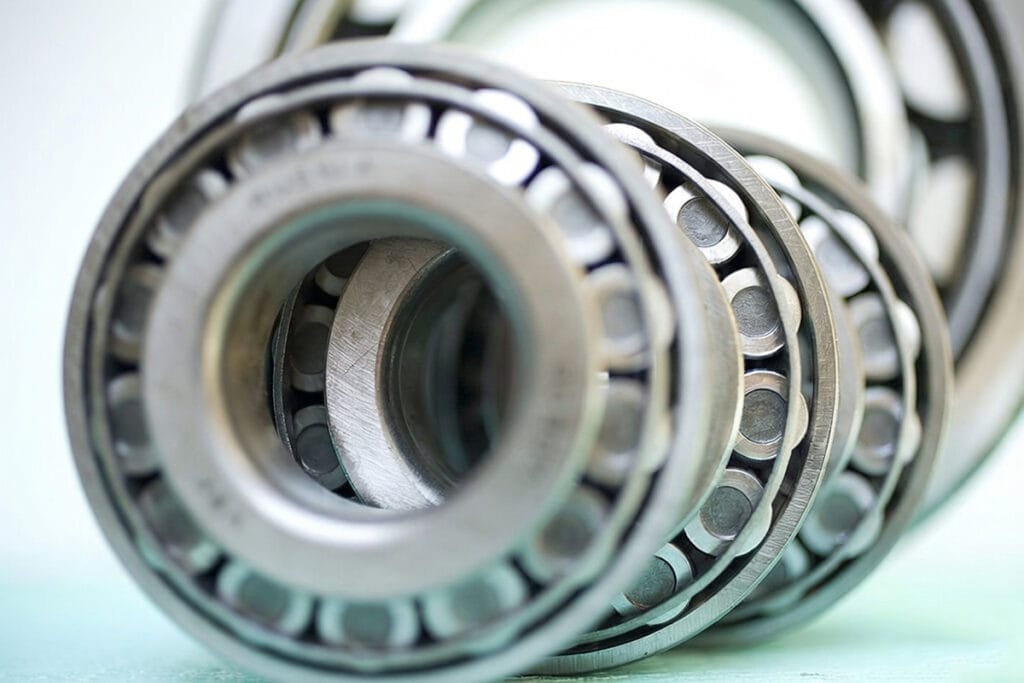
Roller Bearings Explained: Types, Applications, and Selection
Roller bearings are selected when a machine needs high load capacity, stiffness, compact radial design, misalignment capability, or reliable operation
Roller bearings are selected when a machine needs high load capacity, stiffness, compact radial design, misalignment capability, or reliable operation
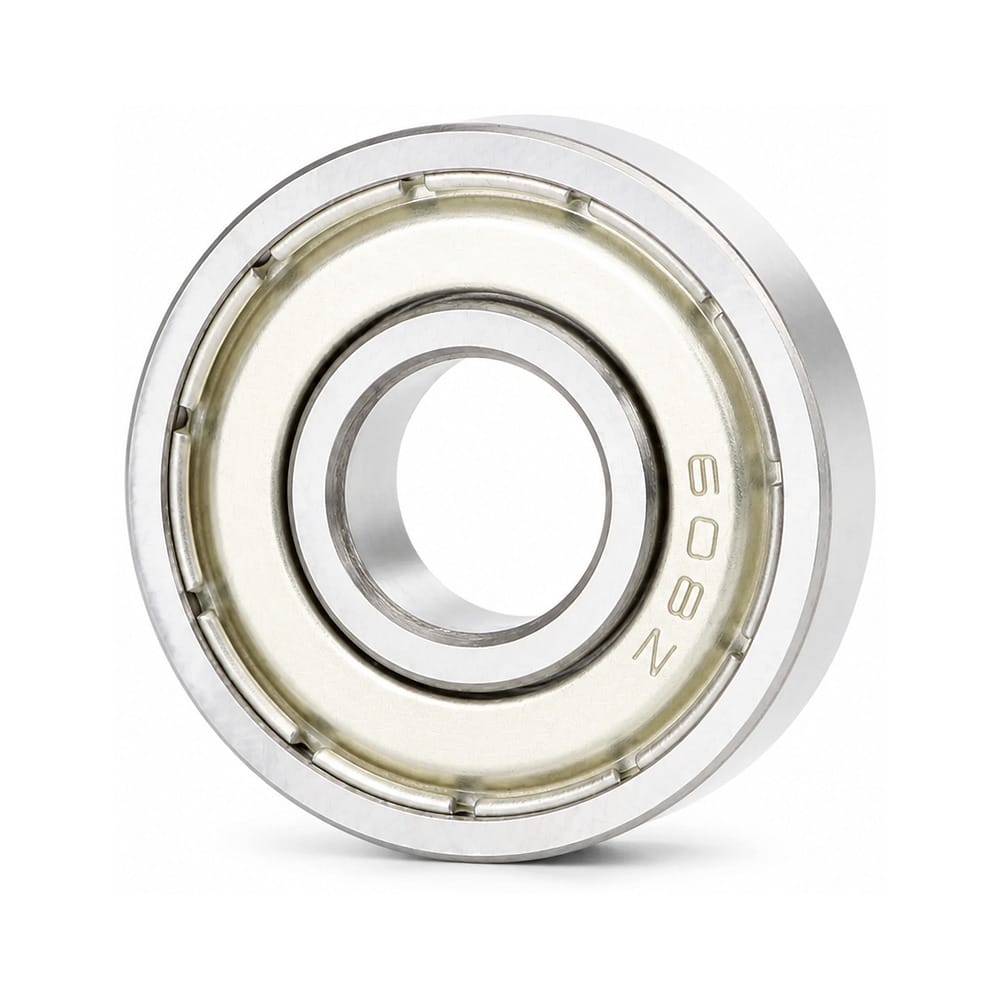
The 608 is a compact deep groove ball bearing with standard dimensions of 8 × 22 × 7 mm. This article explains what the designation means, compares open, shielded and sealed versions, and shows how operating speed, contamination, internal clearance, lubrication, precision and material influence selection. It also answers common questions about 608ZZ, 608-2RS, C3 clearance, ABEC ratings and typical industrial applications.
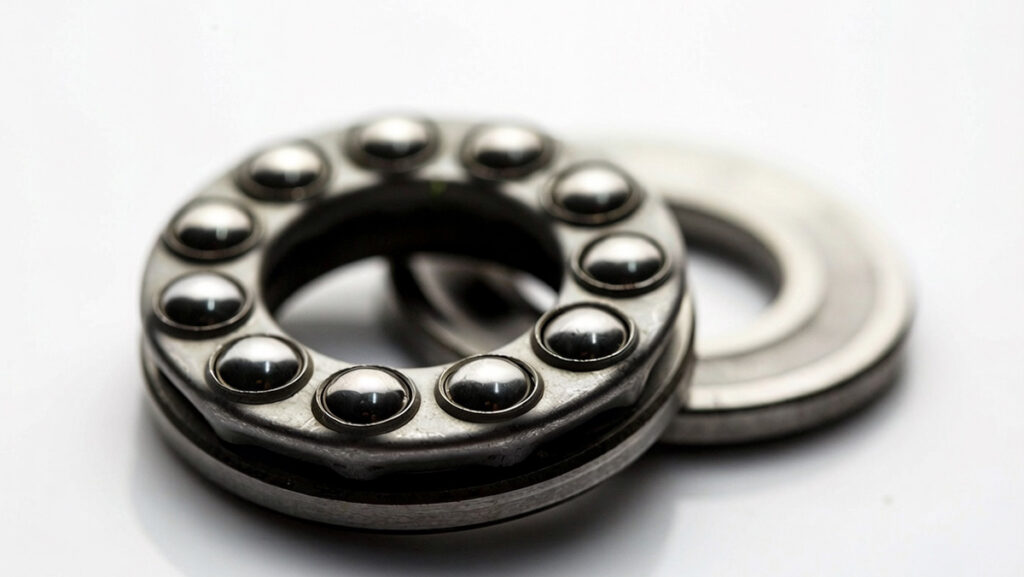
Thrust bearings are designed specifically to support axial loads—forces acting along a shaft’s length—rather than radial loads. With ball, cylindrical roller, needle roller, and spherical roller configurations available, they’re widely used in automotive transmissions, steering systems, machine tool spindles, and vertical pumps wherever axial thrust must be efficiently managed.

Needle roller bearings use long, slender rollers to deliver high radial load capacity within an extremely thin cross-section—ideal where radial space is limited. Available with or without inner rings, in drawn cup or machined form, they’re widely used in automotive transmissions, connecting rods, camshafts, and compact gearboxes where space efficiency matters most.
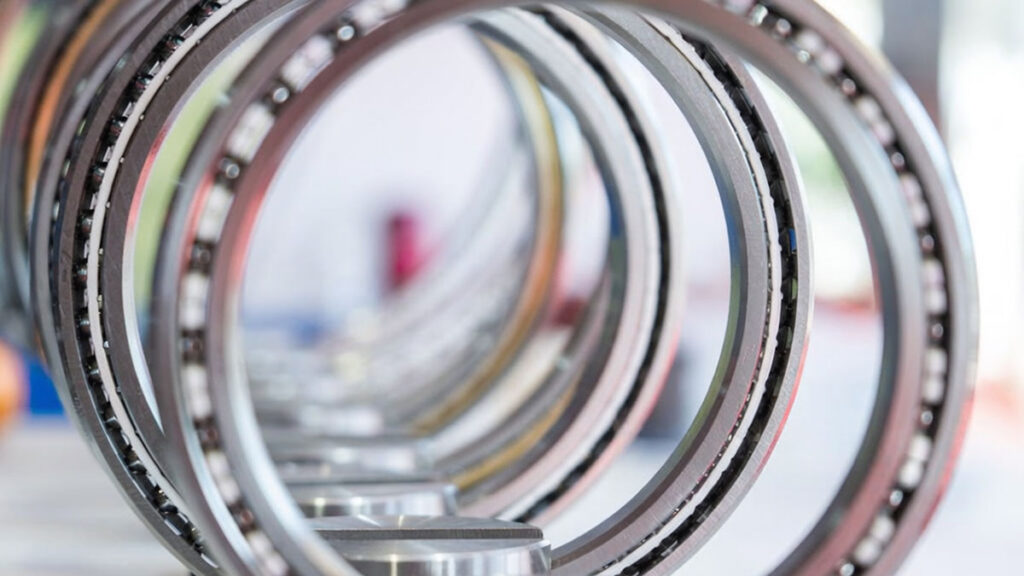
Thin-wall bearings feature an ultra-thin cross-section relative to bore size, cutting weight and enabling direct mounting into structural components without bulky housings. Available in radial, angular contact, four-point, and crossed roller types, they’re ideal for robotics, medical imaging, semiconductors, and aerospace—where space, weight, and precision matter most.
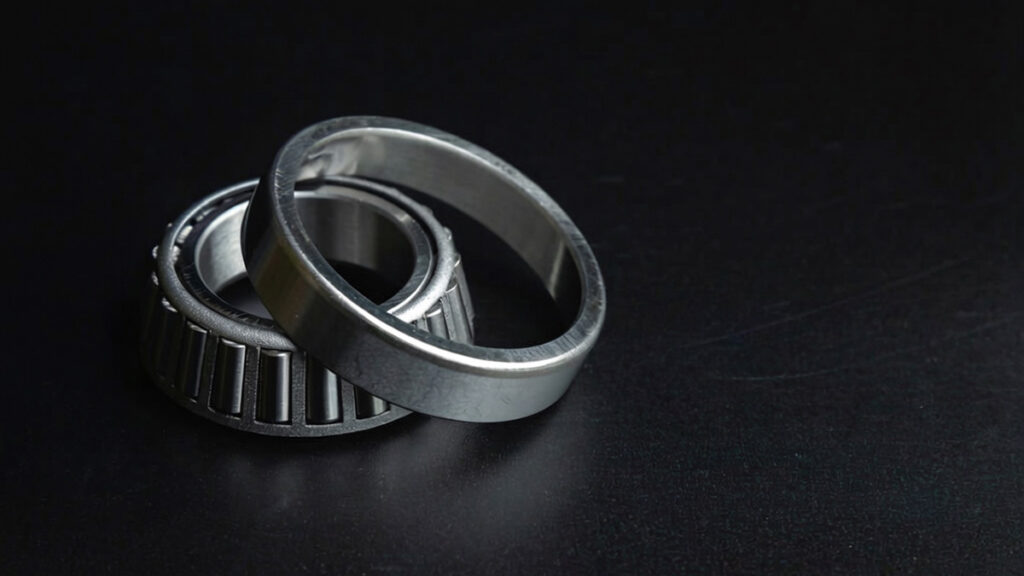
Tapered roller bearings use cone-shaped rollers between tapered inner and outer rings, enabling high combined radial and axial load capacity through line contact—far exceeding deep groove ball bearings. Their separable design simplifies installation, while preload adjustment improves rigidity. Common in automotive hubs, gearboxes, wind turbines, and heavy machinery, they’re the go-to choice for slow-to-moderate speed, high-load applications.
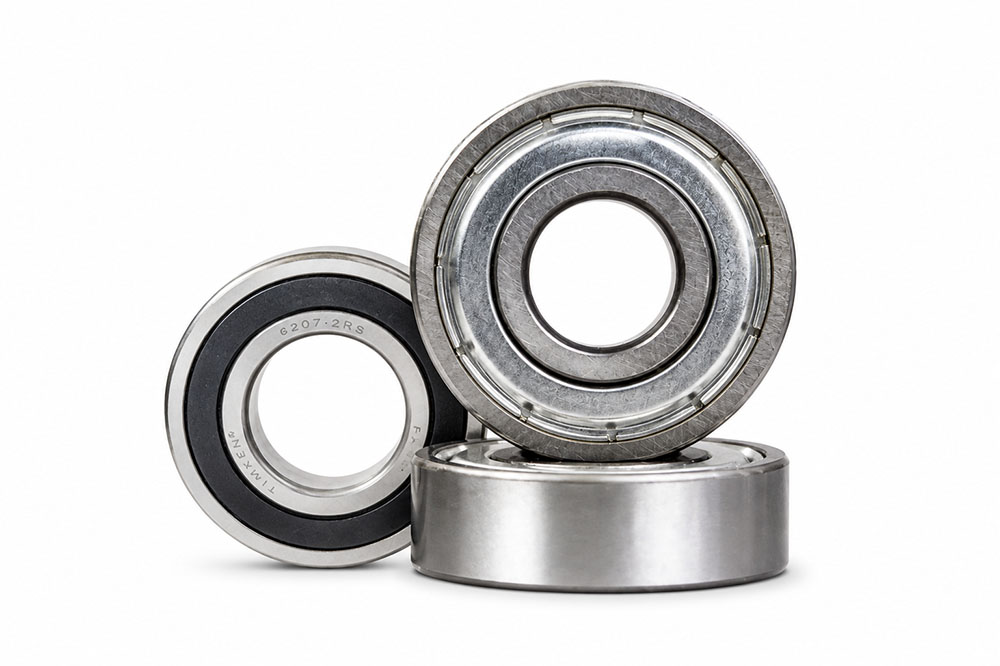
Learn the differences between Z, ZZ, RZ, 2RZ, RS, 2RS and RS1 bearing seals and shields, including their performance, applications and selection considerations for different operating conditions.
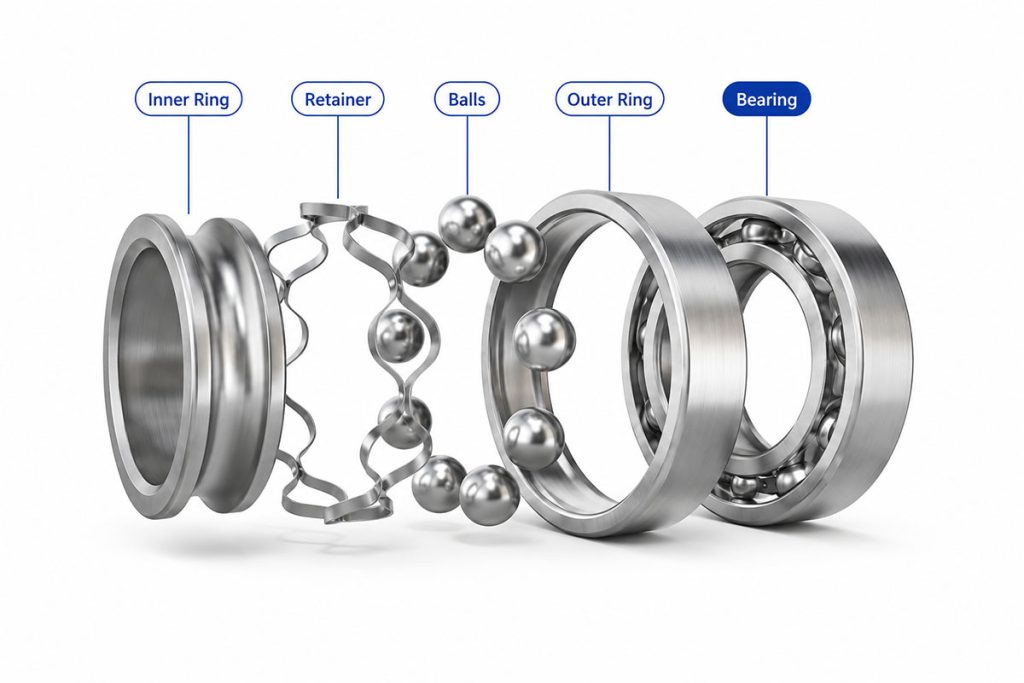
A complete guide to deep groove ball bearings, covering structure, working principle, selection criteria, materials, and typical applications.
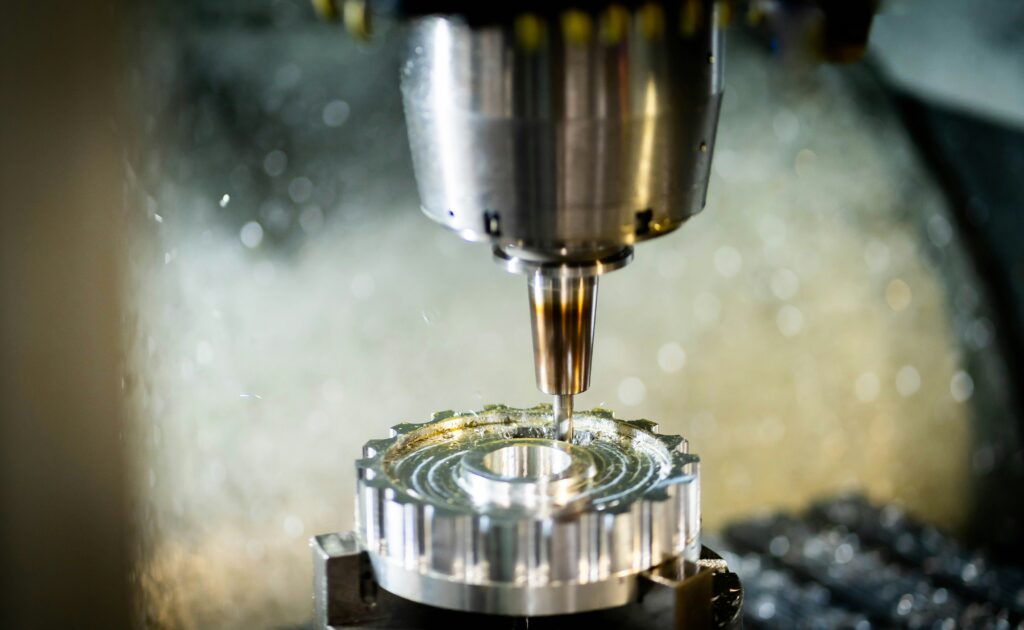
Explore common bearing metal materials, standards, heat treatment risks, and purchasing checks for steel quality, stainless bearings, cages, and coatings.
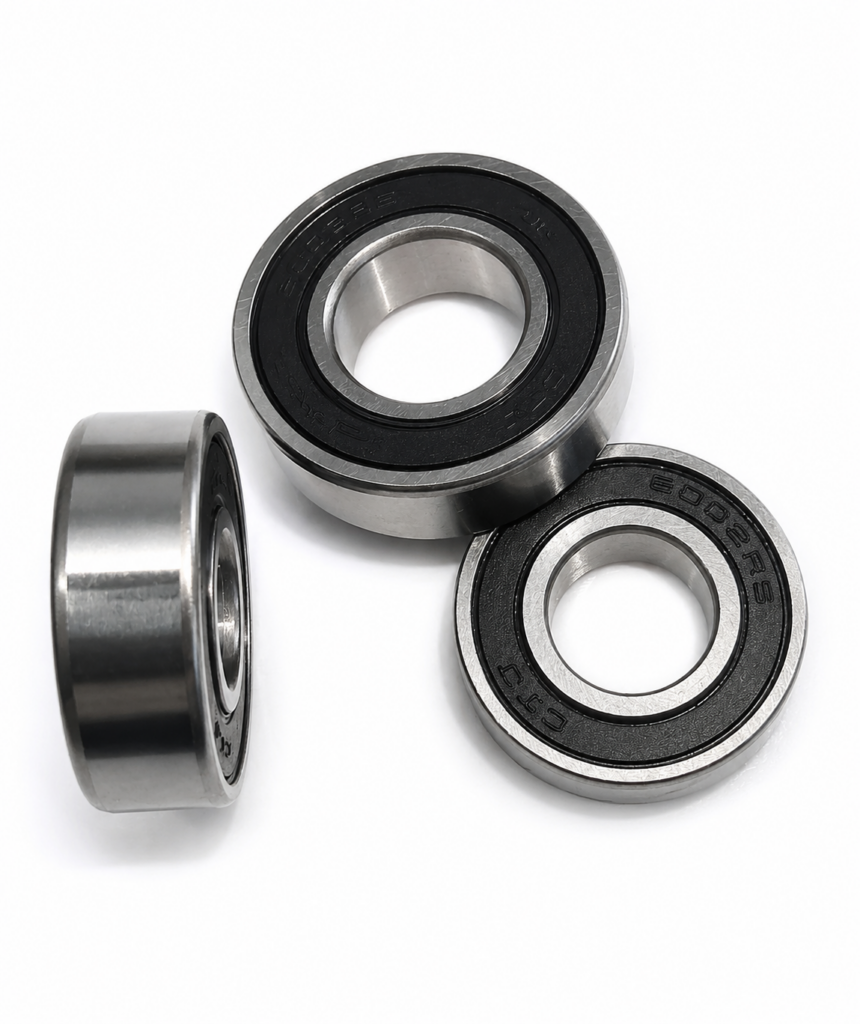
Compare C3 and C0 clearance for deep groove ball bearings and learn how clearance affects temperature, noise, load distribution, and service life.