
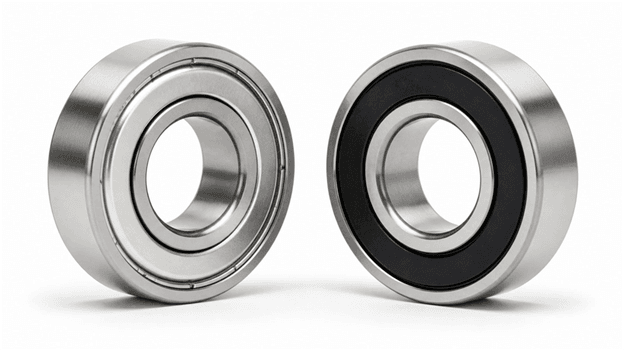
Metal Shields vs. Rubber Seals: ZZ or 2RS for Deep Groove Ball Bearings?
ZZ reduces friction and heat; 2RS offers stronger protection against contamination. The correct choice depends on speed, exposure and the machine’s dominant failure risk.

ZZ reduces friction and heat; 2RS offers stronger protection against contamination. The correct choice depends on speed, exposure and the machine’s dominant failure risk.
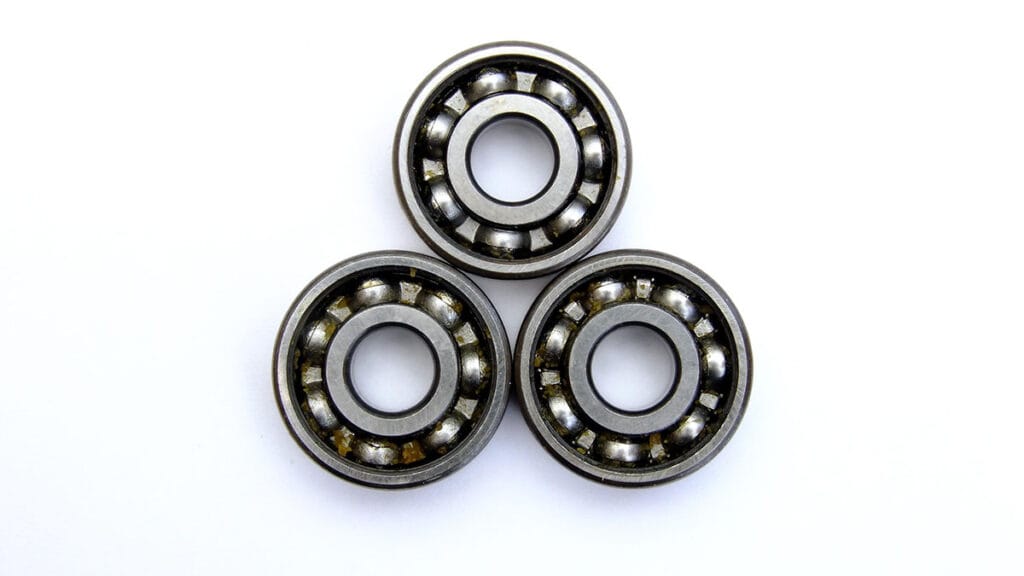
Deep groove ball bearing life falls much faster than load rises. This guide explains C, C0 and L10 life with a pure radial-load example.
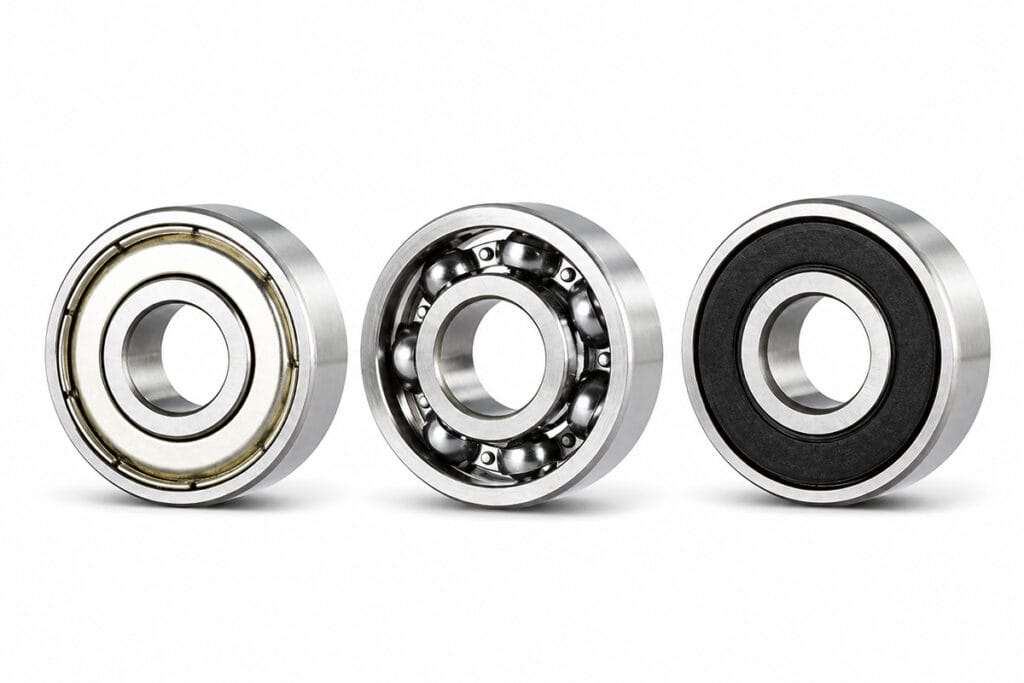
Bearings with the same bore diameter can have very different outside diameters, widths and load capacities. This article compares the 68, 69, 60, 62, 63 and 64 deep groove ball bearing series and explains how to select the appropriate series.
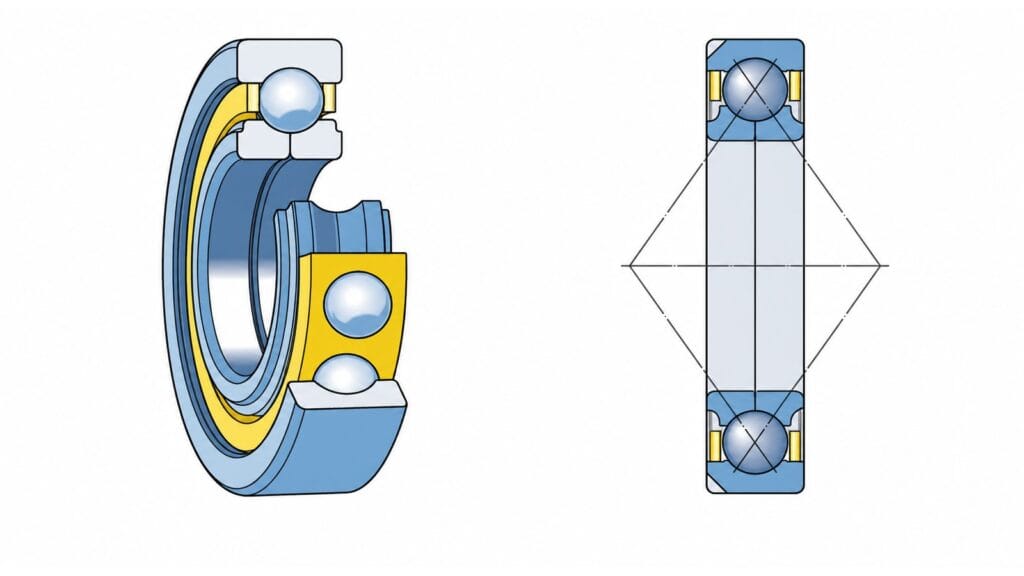
One four-point contact ball bearing can sometimes replace a matched pair of single-row angular contact bearings, especially when bidirectional axial load, compact axial space, and accurate shaft location are the priorities. But the substitution is not universal. This guide compares QJ bearings with paired and double-row angular contact bearings, explains the importance of axial-dominant loading, and provides a practical selection and mounting checklist.
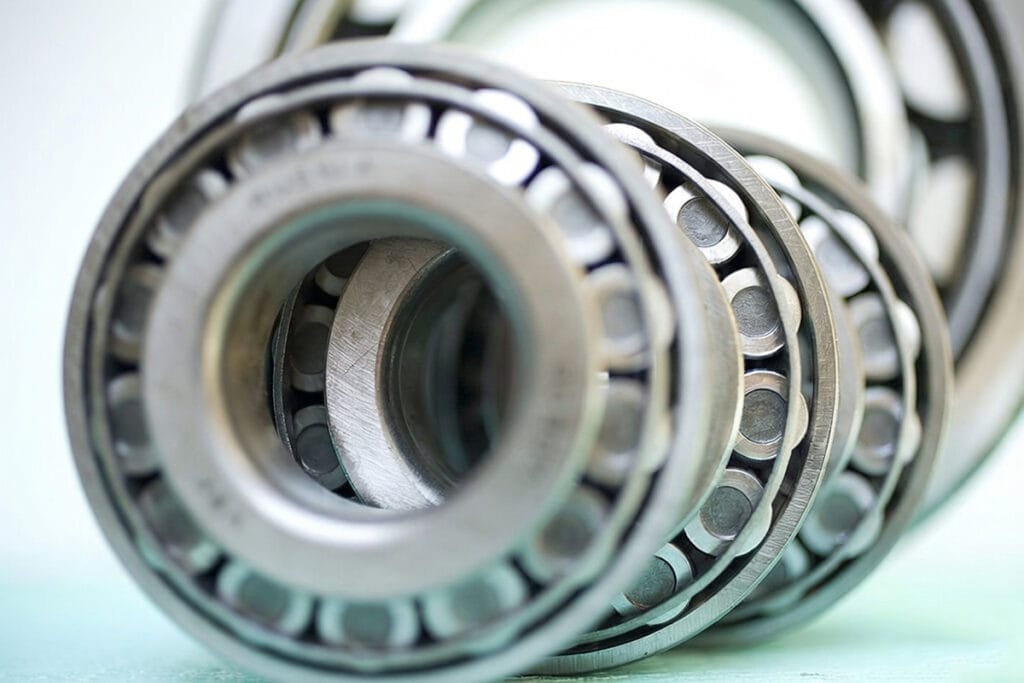
Roller bearings are selected when a machine needs high load capacity, stiffness, compact radial design, misalignment capability, or reliable operation
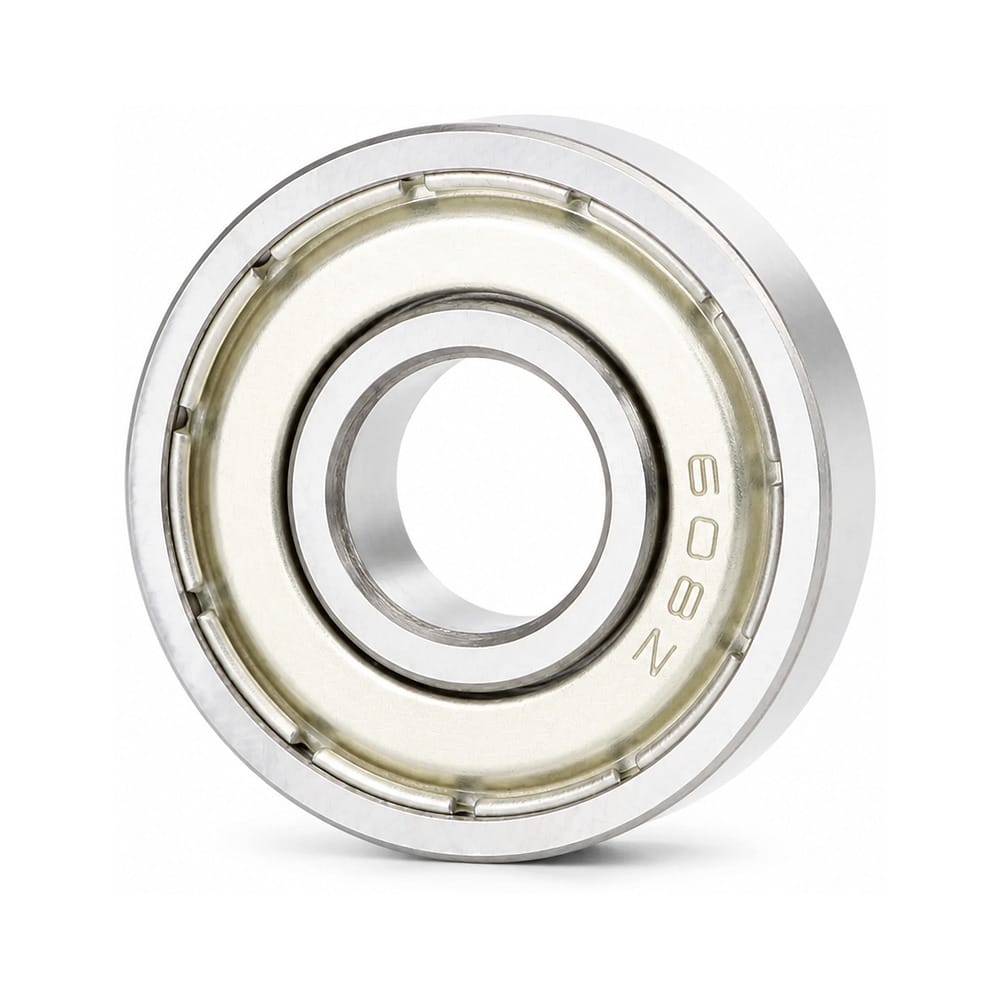
The 608 is a compact deep groove ball bearing with standard dimensions of 8 × 22 × 7 mm. This article explains what the designation means, compares open, shielded and sealed versions, and shows how operating speed, contamination, internal clearance, lubrication, precision and material influence selection. It also answers common questions about 608ZZ, 608-2RS, C3 clearance, ABEC ratings and typical industrial applications.
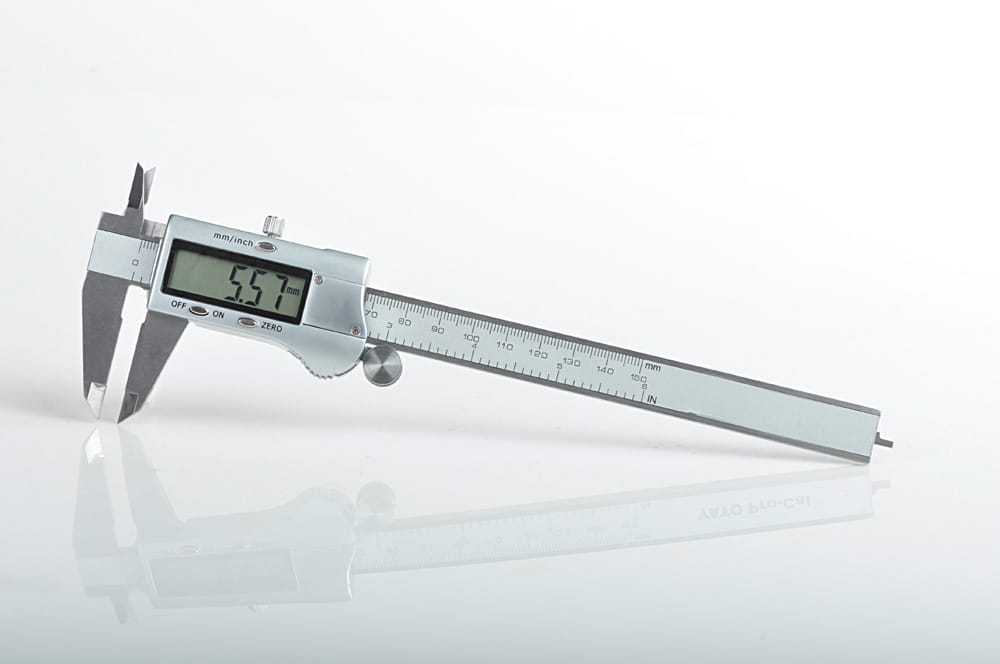
Replacing a bearing begins with accurate measurement. When the old part number is readable, the number should still be checked
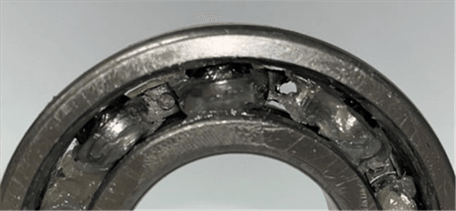
This guide explains common bearing failure symptoms—including noise, overheating, vibration, corrosion, and cage damage—and shows how to identify root causes and prevent repeated failures.
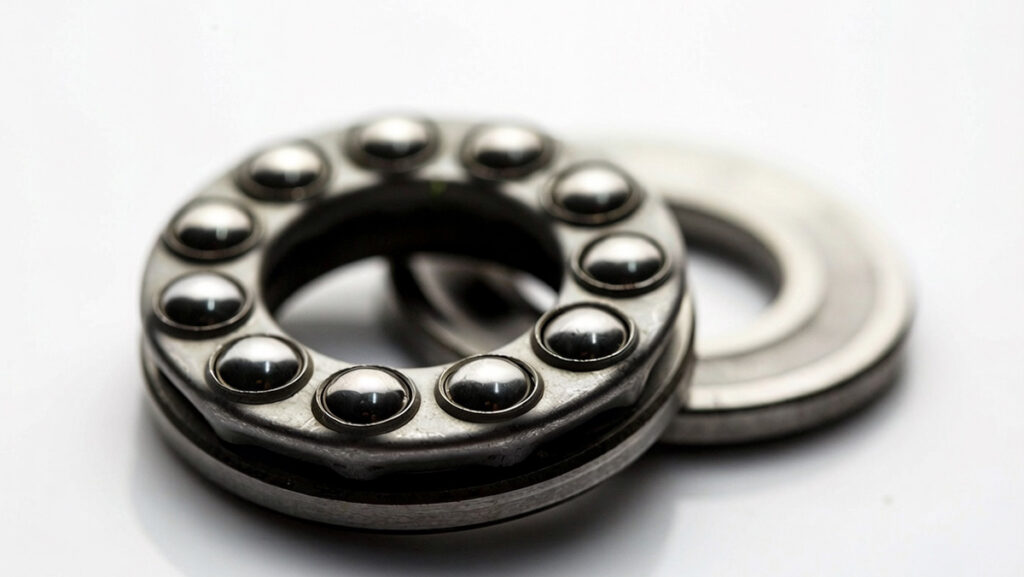
Thrust bearings are designed specifically to support axial loads—forces acting along a shaft’s length—rather than radial loads. With ball, cylindrical roller, needle roller, and spherical roller configurations available, they’re widely used in automotive transmissions, steering systems, machine tool spindles, and vertical pumps wherever axial thrust must be efficiently managed.

Needle roller bearings use long, slender rollers to deliver high radial load capacity within an extremely thin cross-section—ideal where radial space is limited. Available with or without inner rings, in drawn cup or machined form, they’re widely used in automotive transmissions, connecting rods, camshafts, and compact gearboxes where space efficiency matters most.