
Products
69 Series Deep Groove Ball Bearings
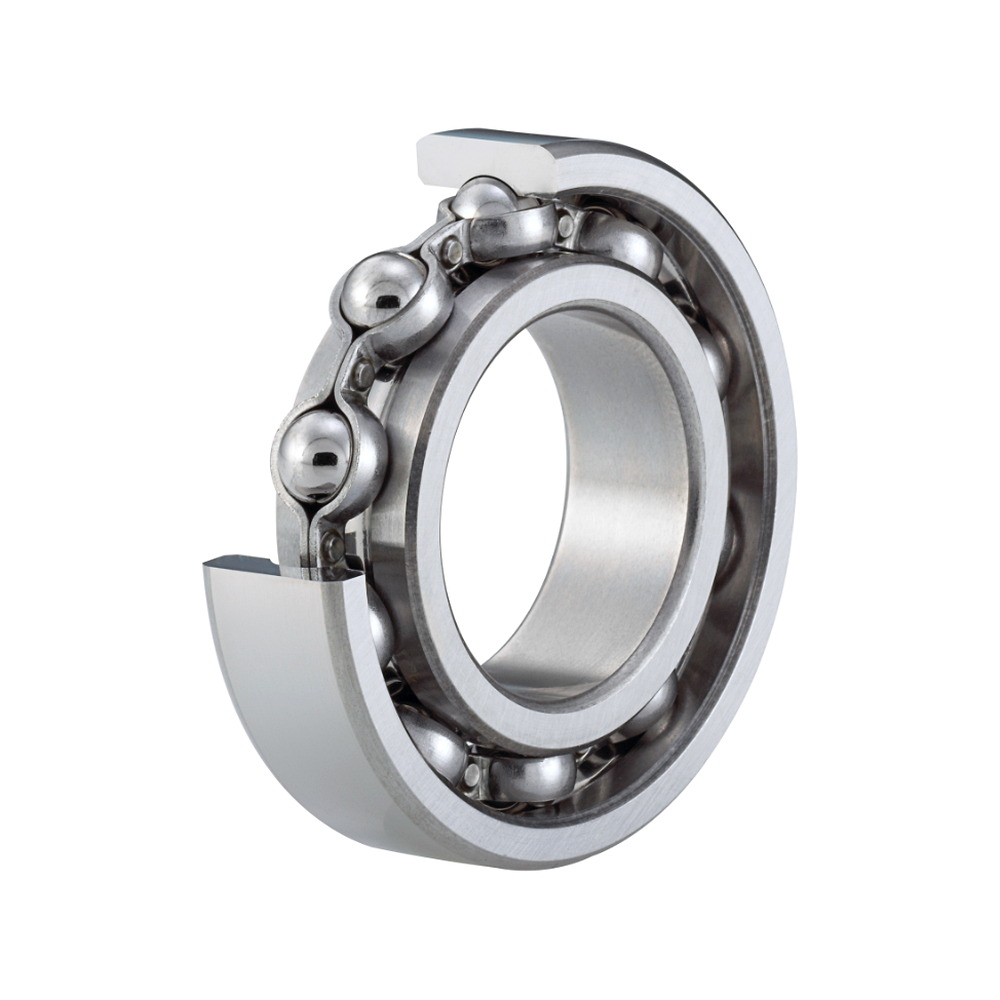
Product Overview
The 69 Series Deep Groove Ball Bearings represents the “extra-light/extra-thin section series” within the deep groove ball bearing family, featuring an even narrower cross-section than the 68 Series. This series is purpose-built for applications with extremely limited installation space, where minimizing both axial width and radial envelope is a primary design priority. Due to its reduced cross-section, load capacity is correspondingly lower, making the 69 Series most appropriate for light-load, high-precision rotational applications.
Precision grades from P0 to P5, and in some cases higher (ABEC 7/9 equivalent), are available to meet the stringent rotational accuracy demands of miniature and precision equipment. Sealing options include open type, single and double-sided metal shields (Z/ZZ), and contact seals (RS/2RS), selected according to the dust protection and friction requirements of compact, often miniature, assemblies.
Technical Specifications
| Bearing No. | d (mm/in) | D (mm/in) | B (mm/in) | Cr (kN) | C0r (kN) | Grease (rpm) | Oil (rpm) | Qty. | Ball Ø (mm) | Weight (kg) |
|---|---|---|---|---|---|---|---|---|---|---|
| 693 | 3 / 0.1181 | 8 / 0.3150 | 3 / 0.1181 | 0.560 | 0.180 | 61000 | 68000 | 6 | 1.588 | 0.0006 |
| W693 | 3 / 0.1181 | 8 / 0.3150 | 4 / 0.1575 | 0.560 | 0.180 | 61000 | 68000 | 6 | 1.588 | 0.0007 |
| 694 | 4 / 0.1575 | 11 / 0.4331 | 4 / 0.1575 | 0.715 | 0.276 | 50000 | 56000 | 7 | 2.000 | 0.0018 |
| 695 | 5 / 0.1969 | 13 / 0.5118 | 4 / 0.1575 | 1.080 | 0.430 | 44000 | 51000 | 8 | 2.000 | 0.0024 |
| 696 | 6 / 0.2362 | 15 / 0.5906 | 5 / 0.1969 | 1.350 | 0.530 | 40000 | 46000 | 8 | 2.381 | 0.0038 |
| 697 | 7 / 0.2756 | 17 / 0.6693 | 5 / 0.1969 | 1.610 | 0.715 | 37000 | 43000 | 9 | 2.381 | 0.0052 |
| 698 | 8 / 0.3149 | 19 / 0.7480 | 6 / 0.2362 | 1.990 | 0.865 | 37000 | 42000 | 7 | 3.500 | 0.0073 |
| 699 | 9 / 0.3543 | 20 / 0.7874 | 6 / 0.2362 | 2.480 | 1.090 | 34000 | 40000 | 9 | 2.381 | 0.0082 |
| 6900 | 10 / 0.3937 | 22 / 0.8661 | 6 / 0.2362 | 2.700 | 1.270 | 32000 | 38000 | 12 | 2.381 | 0.0090 |
| 6901 | 12 / 0.4724 | 24 / 0.9449 | 6 / 0.2362 | 2.890 | 1.460 | 31000 | 36000 | 9 | 3.500 | 0.0110 |
| 6902 | 15 / 0.5906 | 28 / 1.1024 | 7 / 0.2756 | 4.360 | 2.240 | 27000 | 31000 | 10 | 3.969 | 0.0160 |
| 6903 | 17 / 0.6693 | 30 / 1.1811 | 7 / 0.2756 | 4.650 | 2.580 | 25000 | 29000 | 11 | 3.969 | 0.0180 |
| 6904 | 20 / 0.7874 | 37 / 1.4567 | 9 / 0.3543 | 6.370 | 3.680 | 20000 | 24000 | 11 | 4.763 | 0.0360 |
| 6905 | 25 / 0.9843 | 42 / 1.6535 | 9 / 0.3543 | 7.010 | 4.550 | 17000 | 21000 | 13 | 4.763 | 0.0420 |
| 6906 | 30 / 1.1811 | 47 / 1.6535 | 9 / 0.3543 | 7.240 | 5.010 | 16000 | 19000 | 14 | 4.763 | 0.0480 |
| 6907 | 35 / 1.3780 | 55 / 2.1654 | 10 / 0.3937 | 11.200 | 7.450 | 13000 | 17000 | 13 | 5.953 | 0.0740 |
| 6908 | 40 / 1.5748 | 62 / 2.4409 | 12 / 0.4724 | 14.600 | 10.200 | 11000 | 13000 | 13 | 6.747 | 0.1100 |
| 6909 | 45 / 1.7717 | 68 / 2.6772 | 12 / 0.4724 | 15.100 | 11.200 | 9800 | 12000 | 14 | 6.747 | 0.1280 |
| 6910 | 50 / 1.9685 | 72 / 2.8346 | 12 / 0.4724 | 15.600 | 12.200 | 9000 | 11000 | 15 | 6.747 | 0.1320 |
Key features
- Ultra-thin cross-section — the narrowest profile among the standard deep groove series, ideal for minimal-clearance designs
- Minimal weight and footprint — supports highly compact, lightweight equipment design
- Bore size range — typically from 6 mm (696) to 70 mm (6920), covering small precision shaft diameters
- Optimized for high-speed operation under light loads
- Compliant with ISO 15 and DIN 625 standards
Applications
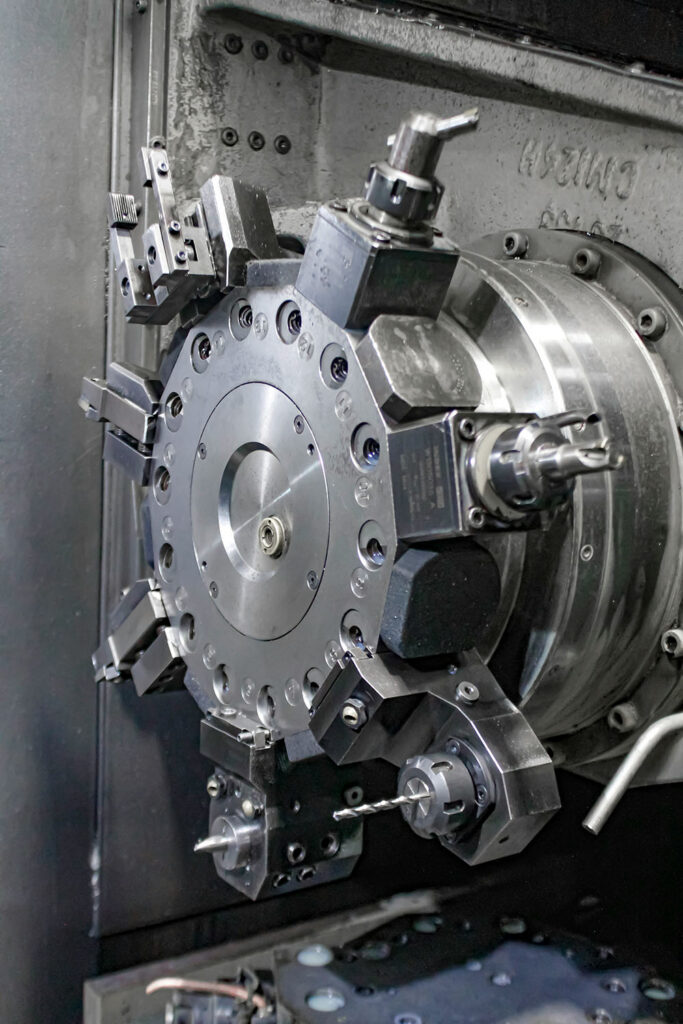
In miniature motors and micro-drive systems, the 69 Series enables rotational support within extremely tight spatial constraints, commonly found in small actuators and precision drive mechanisms.
In precision instruments and measuring devices, such as encoders, gyroscopes, and optical equipment, the series delivers the low-friction, high-accuracy rotation required for sensitive mechanical operation.
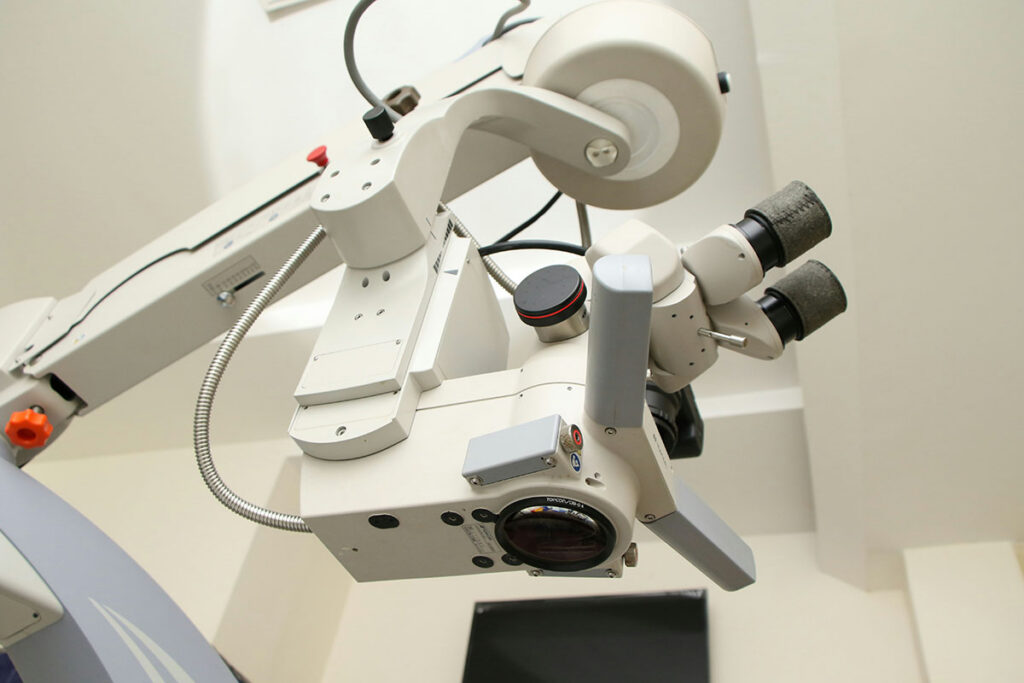
In medical devices and laboratory equipment, the 69 Series supports compact rotational components in diagnostic tools, pumps, and handheld instruments where size and precision are equally critical.
In consumer electronics, including small cooling fans, camera mechanisms, and portable device components, the series provides reliable performance within highly constrained housings.
The 69 Series is also applied in robotics, drones, and miniature mechanical systems, where its compact footprint and light-load performance support the increasing demand for smaller, more precise rotational components in advanced engineering applications.





Technical Resources
Whether you are an engineer, procurement manager, or equipment maintenance professional, here you will find in-depth content covering bearing operating principles, technical parameter interpretation, industry application analysis, and selection logic — helping you build a comprehensive understanding of bearing products and make more informed decisions in real-world applications.
Related Products
FAQs
What loads can deep groove ball bearings handle?
Deep groove ball bearings are primarily designed for radial loads, but they can also handle moderate axial (thrust) loads in both directions. They are not suitable for heavy axial loads or combined shock loads. In those cases, angular contact or tapered roller bearings are preferred.
How do I select the right bearing size for my application?
Selection should be based on bore diameter (shaft size), required load capacity (dynamic rating C and static rating C0), operating speed compared with the bearing limiting speed, available space (outer diameter and width), and required precision grade from P0 to P2. Always apply a safety factor and verify that the calculated L10 service life meets your requirements.
What is the difference between open, shielded (ZZ), and sealed (2RS) bearings?
Open: No built-in protection, requires external sealing, and is suitable for clean environments or oil bath lubrication.
ZZ metal shields: Protect against dust and debris with low friction, making them suitable for high-speed applications, but they are not waterproof.
2RS rubber seals: Provide strong protection against dust and moisture. They are pre-greased and ideal for contaminated environments, but generate slightly more friction.
How often should I lubricate or replace the grease?
For general industrial use, grease should be replenished or replaced every 3,000 to 10,000 operating hours depending on speed, temperature, and environmental conditions. Bearings running above 70 C or in contaminated environments require shorter intervals. Sealed 2RS bearings are pre-greased for life and do not require re-lubrication.
What are the common causes of premature bearing failure?
The most frequent causes include inadequate or improper lubrication, contamination by dirt, dust, or moisture, incorrect installation, misalignment, excessive force during fitting, overloading beyond the rated capacity, improper shaft or housing fits, and fatigue at the end of normal service life.
How is the rated service life (L10) of a bearing calculated?
The basic L10 life is calculated as L10 = (C / P)^3 x 10^6 revolutions, where C is the dynamic load rating in kN and P is the equivalent dynamic bearing load in kN. It represents the number of revolutions that 90% of identical bearings will complete without fatigue failure. In practice, ISO 281 modified life calculations also apply correction factors for lubrication, contamination, material, and reliability.
Get a Fast Response from Our Team
Share your bearing requirements or project details ??our team will review your inquiry and respond with the right product recommendations and pricing.
ETERNUM POWER TECHNOLOGY