
Author name: Bing

Selection, Technical Guide

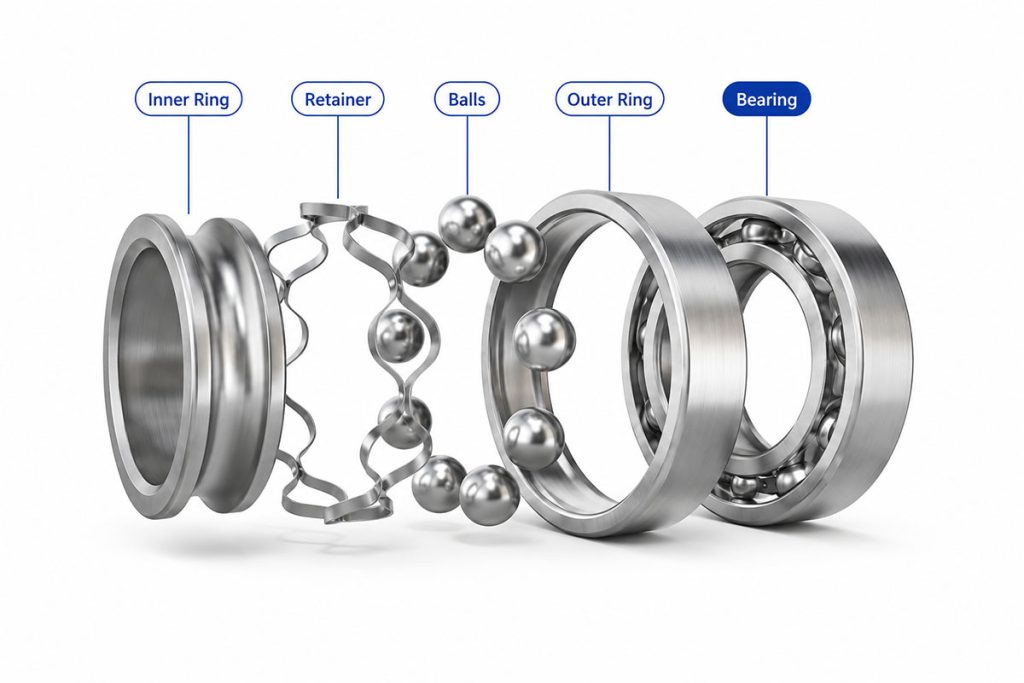
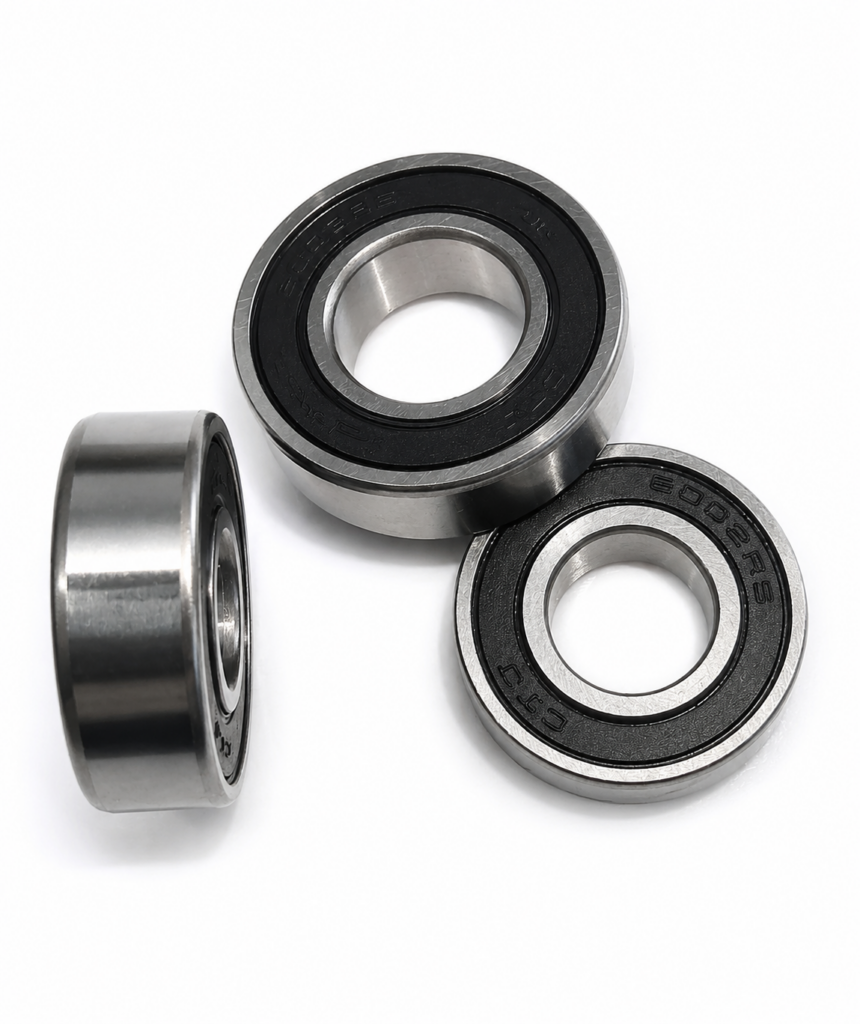
Thin Section Bearings : A Complete Guide to Structure, Working Principle, Selection, and Applications

Thin-wall bearings feature an ultra-thin cross-section relative to bore size, cutting weight and enabling direct mounting into structural components without bulky housings. Available in radial, angular contact, four-point, and crossed roller types, they’re ideal for robotics, medical imaging, semiconductors, and aerospace—where space, weight, and precision matter most.
Selection, Technical Guide

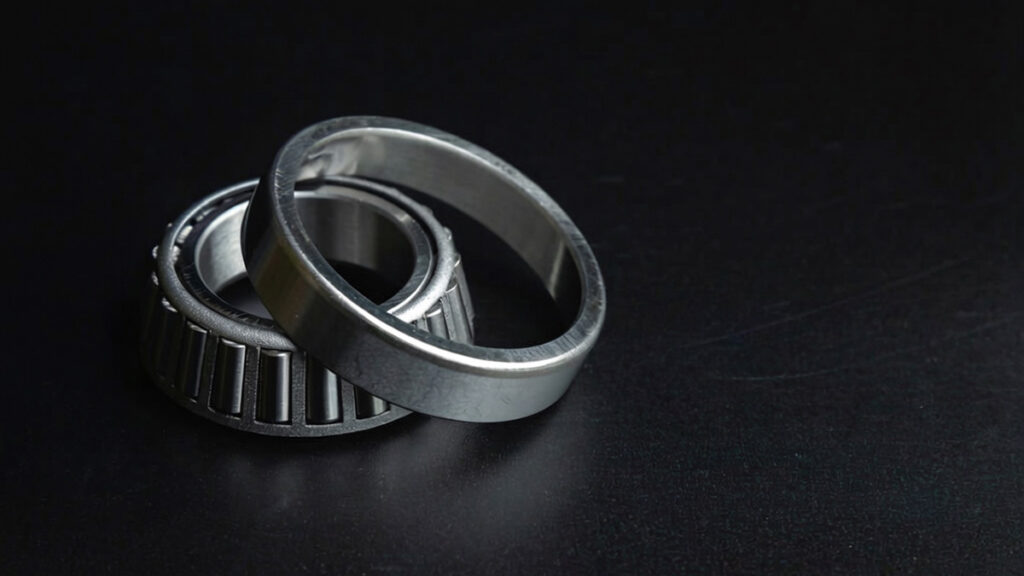
Tapered Roller Bearings: A Complete Guide to Structure, Working Principle, Selection, and Applications

Tapered roller bearings use cone-shaped rollers between tapered inner and outer rings, enabling high combined radial and axial load capacity through line contact—far exceeding deep groove ball bearings. Their separable design simplifies installation, while preload adjustment improves rigidity. Common in automotive hubs, gearboxes, wind turbines, and heavy machinery, they’re the go-to choice for slow-to-moderate speed, high-load applications.

Selection, Technical Guide

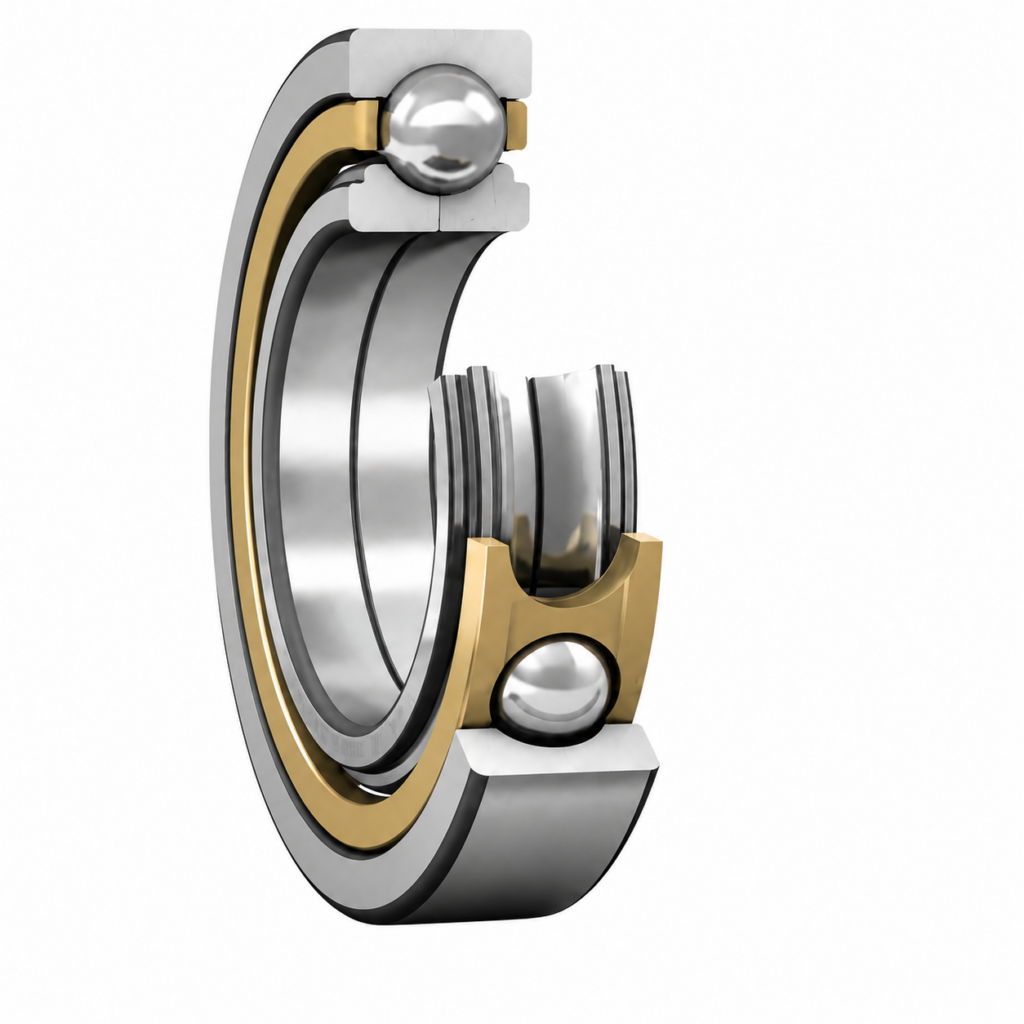
Four-Point Contact Ball Bearings: Structure, Applications, and Purchasing Guide

Four-point contact ball bearings handle axial loads in both directions within a single unit — a capability that sets them apart from angular contact ball bearings, which require paired installation to achieve the same result. This article covers how they work, where they are used, and what to verify at the procurement stage: load direction, operating speed, model prefix identification (QJ series), and installation configuration.

Scroll to Top