
Products
Angular Contact Ball Bearings
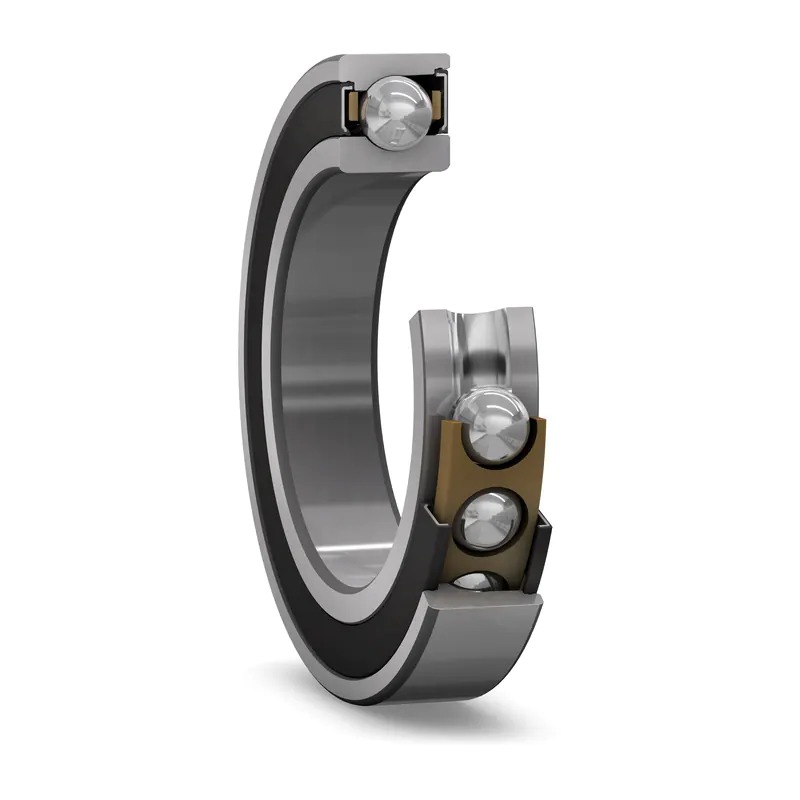
Product Overview
Angular Contact Ball Bearings are designed with raceways in the inner and outer rings that are offset relative to each other, creating a defined contact angle between the balls and raceways. This design enables the bearings to support combined radial and axial loads simultaneously while providing higher axial load capacity, greater rigidity, and higher rotational accuracy than deep groove ball bearings. They are widely used in machine tools, pumps, compressors, gearboxes, electric motors, and other precision industrial equipment.
Available in standardized 718, 719, 70, 72, and 73 single-row series, as well as 32 and 33 double-row series, Angular Contact Ball Bearings accommodate a wide range of speed, load, and stiffness requirements. Common contact angles of 15°, 25°, 30°, and 40°, together with precision classes from P0 to P4/P2, make them suitable for both general industrial machinery and high-precision applications.
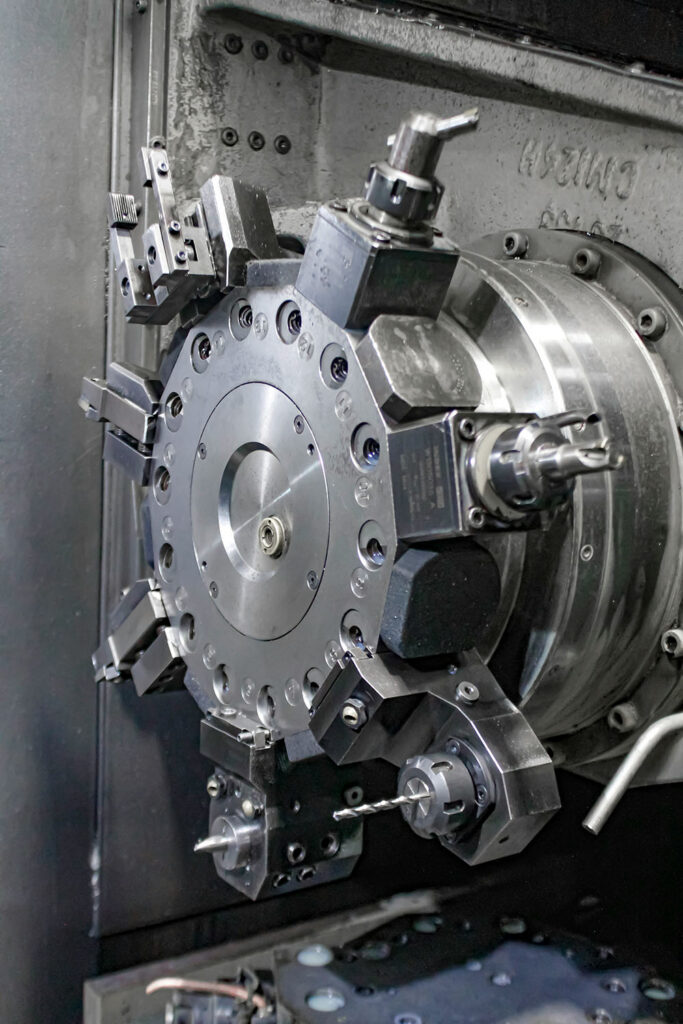
Configuration options include single-row, double-row, and universally matched bearing sets for DB, DF, and DT arrangements. Available with steel, polyamide, or machined brass cages, these bearings deliver reliable performance, high-speed capability, and excellent shaft positioning in demanding operating conditions.
Technical Specifications
| Series | 72, 73, 74 Series (Single Row); 32, 33 Series (Double Row) |
| Contact Angle | 15°, 25°, 40° |
| Bore Diameter Range | 6mm – 200mm |
| Outer Diameter Range | 19mm – 360mm |
| Width Range | 6mm – 78mm |
| Mounting Configurations | Single, DB (back-to-back), DF (face-to-face), DT (tandem) |
| Cage Material Options | Steel stamped, brass machined, polyamide PA66 |
| Seal / Shield Options | Open, RS rubber seal, 2RS double-sided seal |
| Precision Grades | P0 standard, P6, P5, P4 high precision, P2 ultra-precision (ABEC 7/9 equivalent) |
| Radial/Axial Clearance | Standard, C3 increased (preload classes Light/Medium/Heavy for duplex sets) |
| Material Standard | Gcr15 / 52100 chrome steel, stainless steel SS440 / SS420, ceramic hybrid (Si3N4 balls) optional |
| Temperature Range | -40°C to +150°C standard, up to +250°C high temperature |
| Lubrication | Grease standard, oil optional, dry for open bearings |
| Standards Met | ISO 9001, ISO/TS 16949, ISO 15, DIN 628, JIS |
Key features
- Dual-direction load support — handles radial loads and moderate bidirectional axial loads without requiring additional dedicated thrust bearings
- Low friction, high-speed capability — suitable for applications ranging from low-speed heavy-duty operation to high-speed precision rotation
- Simple structure, easy maintenance — non-separable design allows quick installation and replacement without disassembling inner/outer rings
- Broad size range — bore sizes spanning from 2 mm (miniature MR series) to over 150 mm (62/63 series), covering virtually all mechanical scale requirements
- Compatible with grease and oil lubrication, supporting both sealed (maintenance-free) and open (re-lubricable) configurations
- Compliant with international standards, including ISO 15, DIN 625, and ABEC
Featured Products
Single-Row Angular Contact Ball Bearings
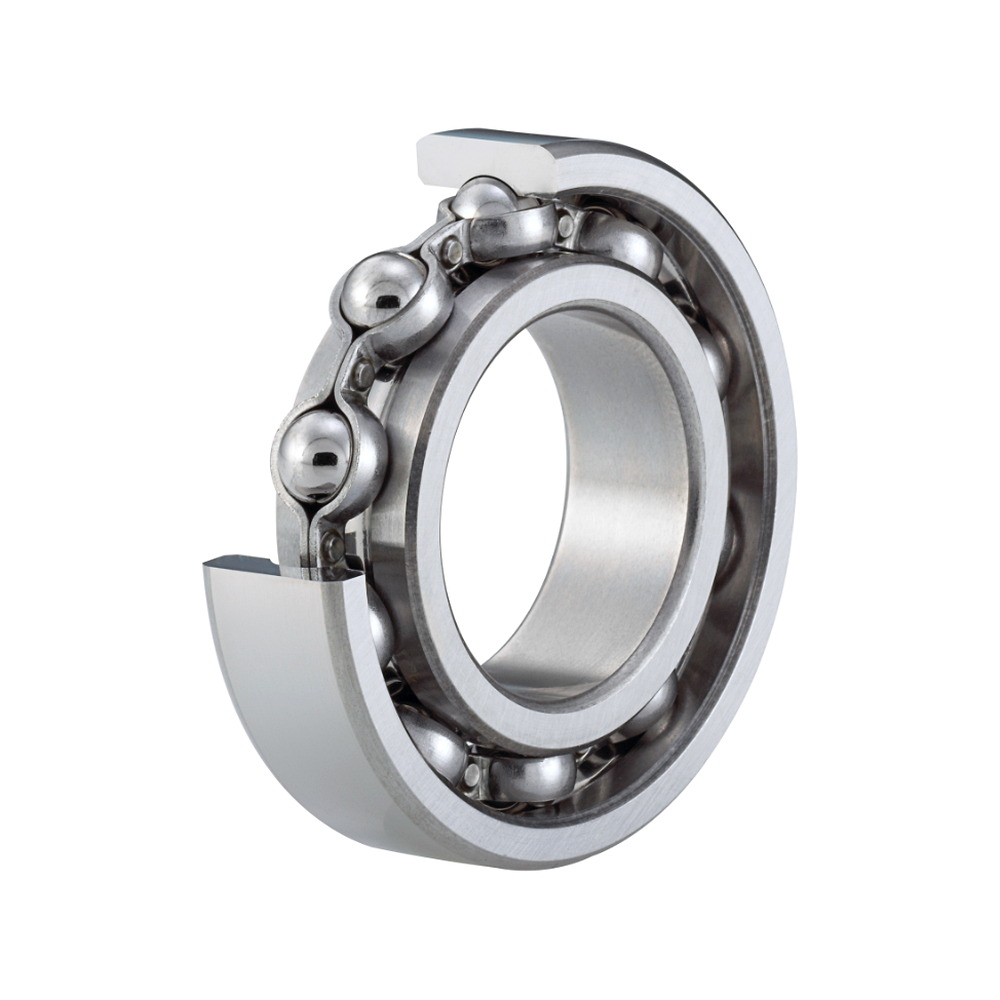
Single-row angular contact ball bearings feature a single row of balls with raceways on the inner and outer rings designed at a specific contact angle, enabling them to support both radial loads and unidirectional axial loads simultaneously, while offering good rigidity and rotational precision under high-speed operating conditions.
Common contact angles include 15°, 25°, and 40° — the larger the angle, the greater the axial load capacity, allowing flexible selection based on load direction and magnitude. This series features a simple structure and straightforward installation, and is widely used in machine tool spindles, electric motors, pumps, and automotive transmission systems where combined load support is required. Since a single-row bearing can only support axial load in one direction, it is commonly used in paired arrangements (back-to-back DB, face-to-face DF, or tandem DT) in practical applications to achieve bidirectional axial load capacity and greater overall rigidity.
Double-Row Angular Contact Ball Bearings
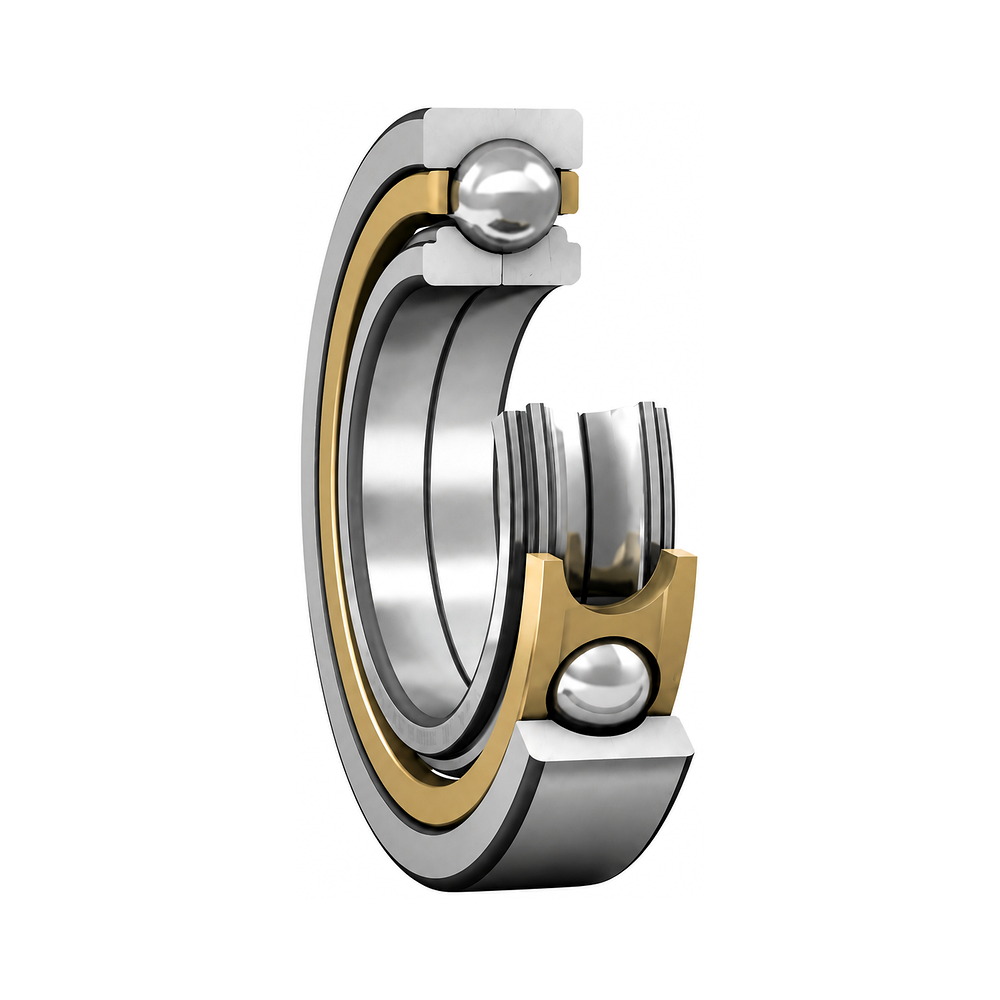
Double-row angular contact ball bearings integrate two rows of balls within a single bearing unit, with raceways on the inner and outer rings designed at symmetrical contact angles, enabling them to support bidirectional axial loads and substantial radial loads simultaneously — functioning as an integrated equivalent of a paired bearing arrangement without requiring separate matched installation.
This series is characterized by a compact structure, high rigidity, and strong resistance to tilting moments, delivering superior load-carrying capacity and rotational stability compared to single-row bearings within the same installation space. Common contact angles include 25°, 32°, and 45°, and the series is widely used in gearboxes, power transmission systems, construction machinery, agricultural equipment, and other drive systems requiring precise axial positioning and combined load support.
Applications
Angular Contact Ball Bearings serve as the standard bearing solution across virtually every industry. In electric motors and generators, they provide stable radial and axial support across a wide range of power outputs. In pumps, compressors, and fans, they deliver reliable performance under continuous operating cycles.
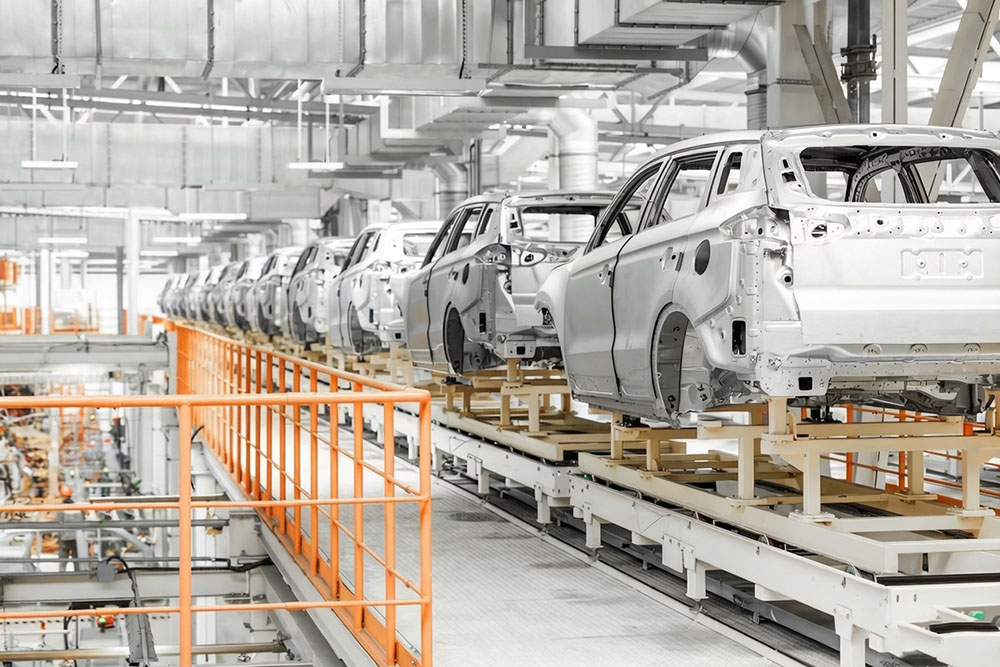
In gearboxes and power transmission systems, deep groove ball bearings absorb the combined radial and axial loads generated by gear meshing across a wide range of shaft sizes. Conveyor and material handling equipment rely on their high load capacity and long service life under continuous duty cycles, while the automotive industry uses them extensively in alternators, water pumps, cooling fans, and auxiliary drive systems.
In precision and miniature applications — such as instrumentation, medical devices, optical equipment, and model/hobby drive systems — smaller series (68, 69, MR) provide compact, high-precision rotational support where installation space is severely constrained.
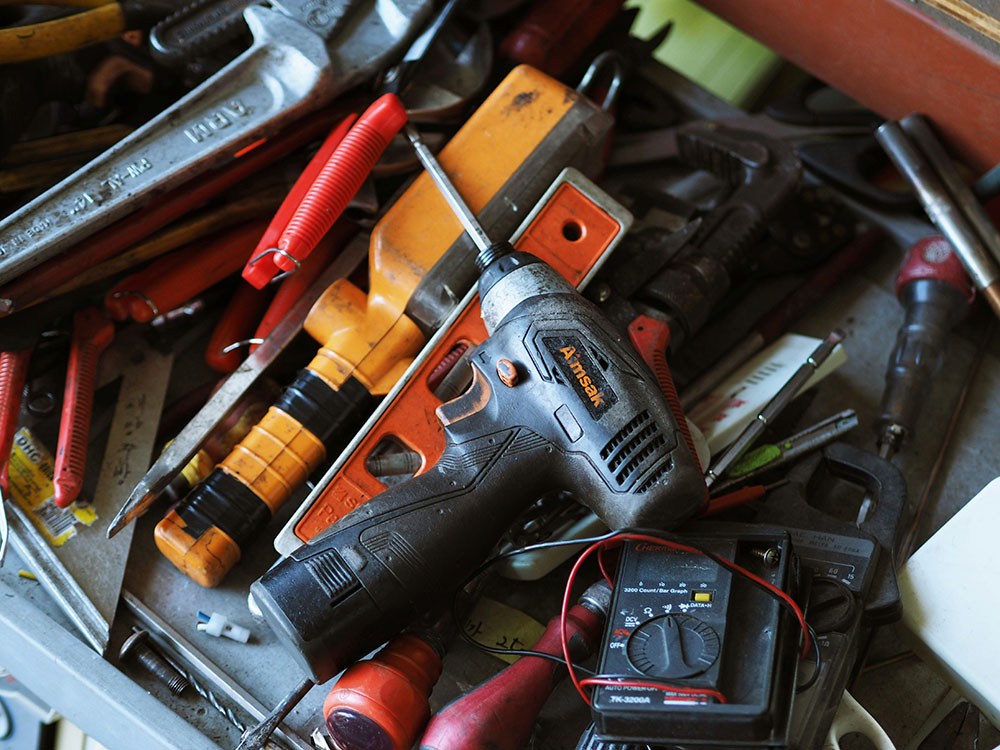
Beyond heavy industry, Angular Contact Ball Bearings are also found in HVAC equipment, textile machinery, packaging lines, household appliances, and consumer electronics, making them one of the most versatile and universally applied bearing types across both industrial and consumer-facing equipment.
Technical Resources
Whether you are an engineer, procurement manager, or equipment maintenance professional, here you will find in-depth content covering bearing operating principles, technical parameter interpretation, industry application analysis, and selection logic — helping you build a comprehensive understanding of bearing products and make more informed decisions in real-world applications.
Related Products
FAQs
What loads can deep groove ball bearings handle?
Deep groove ball bearings are primarily designed for radial loads, but they can also handle moderate axial (thrust) loads in both directions. They are not suitable for heavy axial loads or combined shock loads. In those cases, angular contact or tapered roller bearings are preferred.
How do I select the right bearing size for my application?
Selection should be based on bore diameter (shaft size), required load capacity (dynamic rating C and static rating C0), operating speed compared with the bearing limiting speed, available space (outer diameter and width), and required precision grade from P0 to P2. Always apply a safety factor and verify that the calculated L10 service life meets your requirements.
What is the difference between open, shielded (ZZ), and sealed (2RS) bearings?
Open: No built-in protection, requires external sealing, and is suitable for clean environments or oil bath lubrication.
ZZ metal shields: Protect against dust and debris with low friction, making them suitable for high-speed applications, but they are not waterproof.
2RS rubber seals: Provide strong protection against dust and moisture. They are pre-greased and ideal for contaminated environments, but generate slightly more friction.
How often should I lubricate or replace the grease?
For general industrial use, grease should be replenished or replaced every 3,000 to 10,000 operating hours depending on speed, temperature, and environmental conditions. Bearings running above 70 C or in contaminated environments require shorter intervals. Sealed 2RS bearings are pre-greased for life and do not require re-lubrication.
What are the common causes of premature bearing failure?
The most frequent causes include inadequate or improper lubrication, contamination by dirt, dust, or moisture, incorrect installation, misalignment, excessive force during fitting, overloading beyond the rated capacity, improper shaft or housing fits, and fatigue at the end of normal service life.
How is the rated service life (L10) of a bearing calculated?
The basic L10 life is calculated as L10 = (C / P)^3 x 10^6 revolutions, where C is the dynamic load rating in kN and P is the equivalent dynamic bearing load in kN. It represents the number of revolutions that 90% of identical bearings will complete without fatigue failure. In practice, ISO 281 modified life calculations also apply correction factors for lubrication, contamination, material, and reliability.
Get a Fast Response from Our Team
Share your bearing requirements or project details — our team will review your inquiry and respond with the right product recommendations and pricing.
ETERNUM MOTION TECHNOLOGY