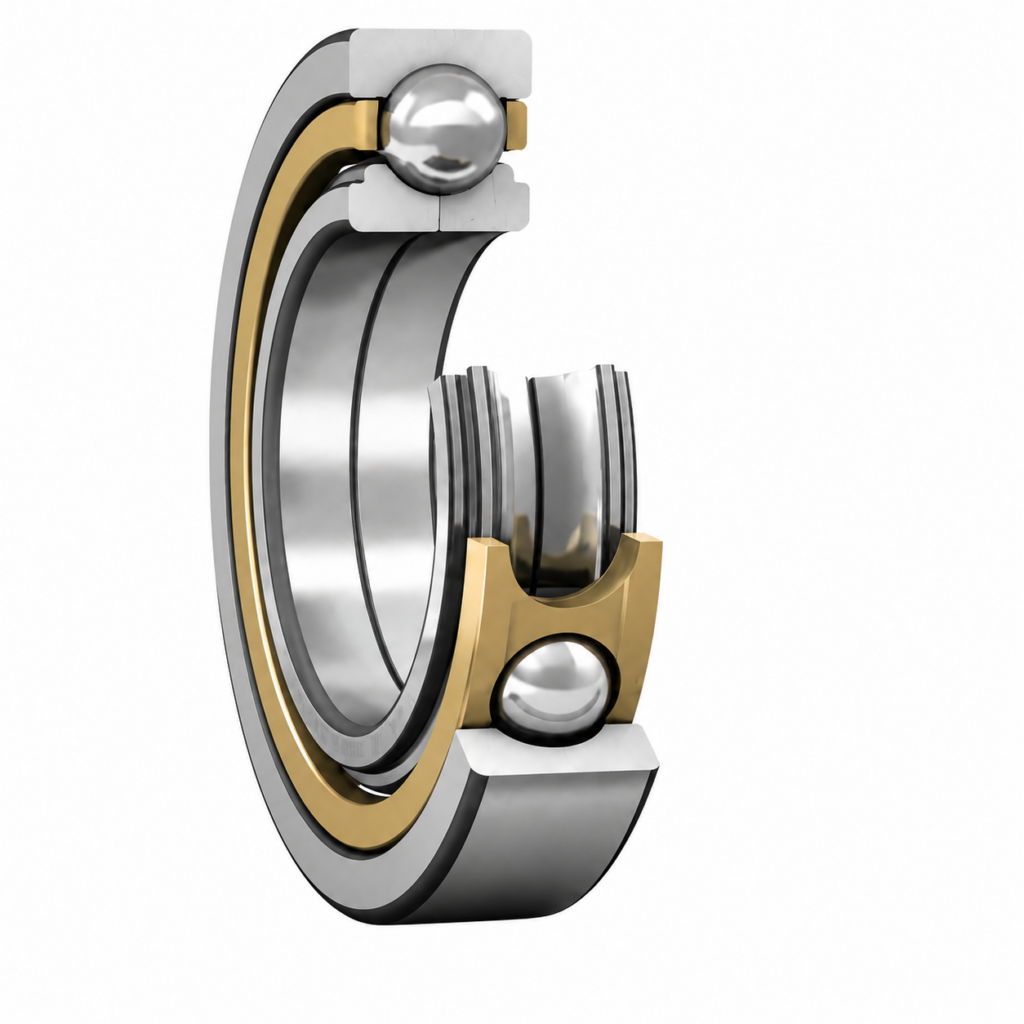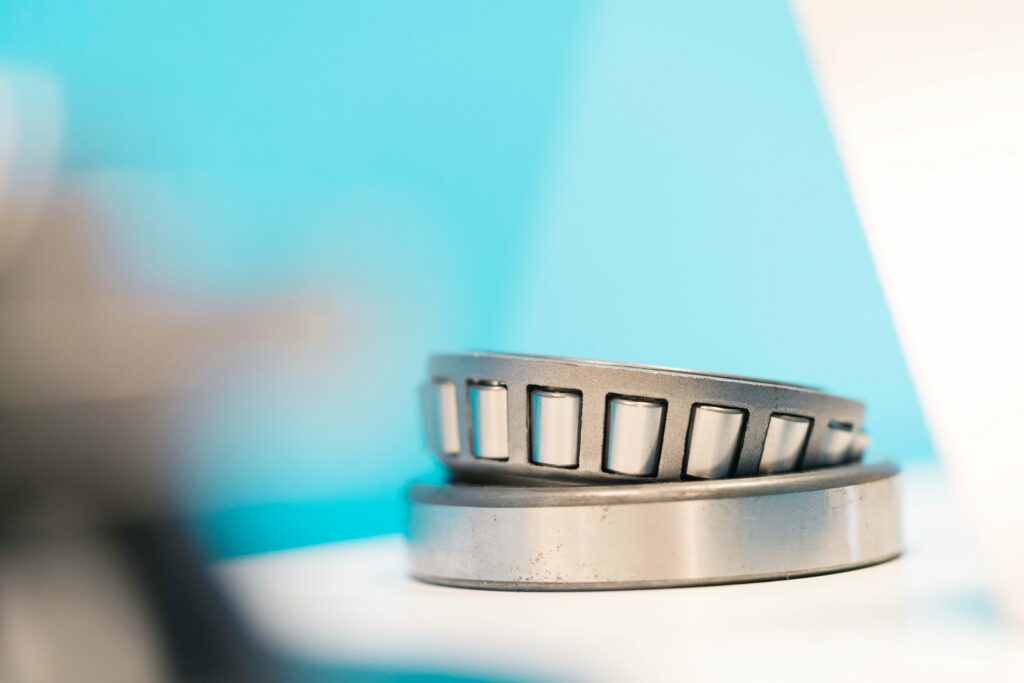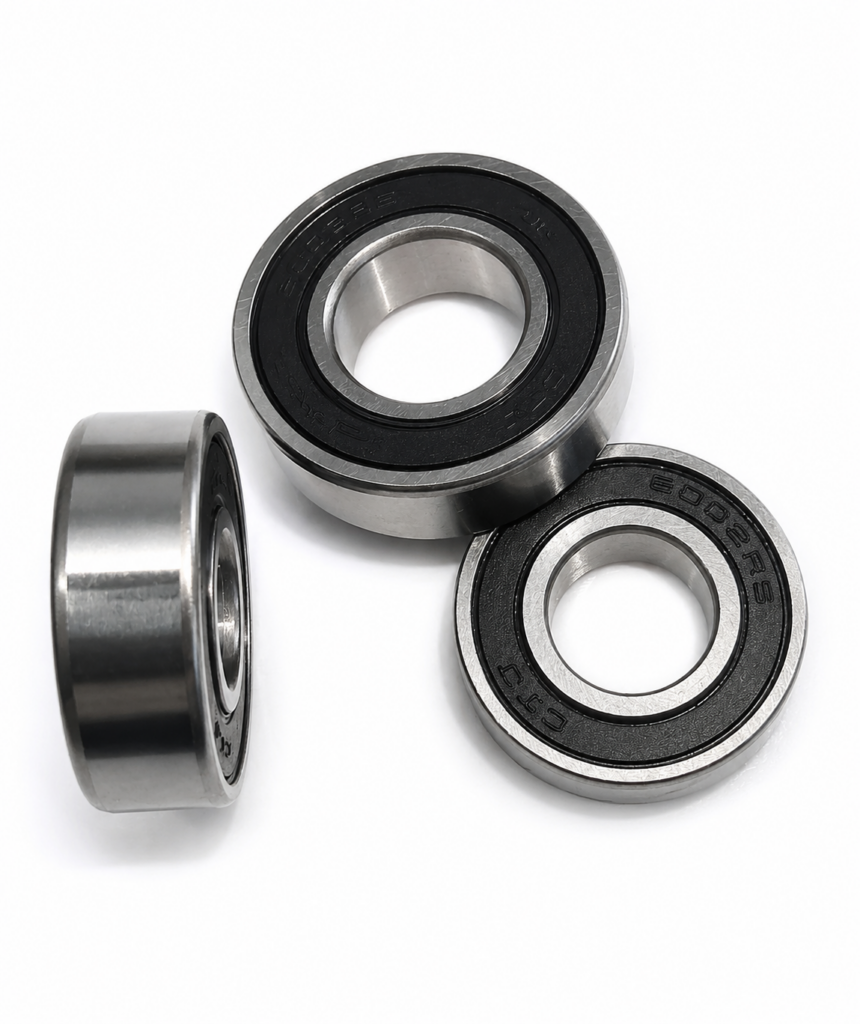
When selecting a deep groove ball bearing, one of the most important — yet often overlooked — decisions is choosing the right sealing or shielding type. The seal or shield doesn’t just keep dirt out; it directly affects friction, operating speed, noise level, lubricant retention, and overall service life. In this guide, we’ll break down the most common bearing seal and shield designations (Z, ZZ, RZ, 2RZ, RS, 2RS, RS1, 2RS1), explain how they differ, and help you choose the right option for your application.
Why Sealing and Shielding Matter
Every rolling bearing relies on a thin layer of grease or oil between the balls and the raceways to minimize friction and wear. Without protection, this lubricant can be washed out by water, contaminated by dust, or degraded by debris entering the bearing cavity. Seals and shields act as a barrier between the internal components and the external environment, helping to:
- Retain lubricant inside the bearing
- Prevent dust, dirt, and moisture from entering
- Reduce maintenance frequency
- Extend bearing service life
However, every protective barrier introduces some level of friction, which can affect speed capability and heat generation. This is why understanding the differences between shield types and seal types is essential for proper bearing selection.
Shields vs. Seals: The Key Difference
Before diving into specific codes, it’s important to understand the fundamental distinction:
Shields are typically thin metal covers pressed into the outer ring. They do not physically touch the inner ring — there is a small clearance gap between the shield and the inner ring shoulder. Because of this non-contact design, shields create minimal additional friction, but they only block larger particles; fine dust and moisture can still enter.
Seals are made of rubber or synthetic elastomer and are designed to either lightly touch (non-contact) or firmly contact (contact-type) the inner ring. Seals provide significantly better protection against dust, moisture, and contaminants, but contact-type seals introduce more friction, which can lower the bearing’s maximum speed rating.
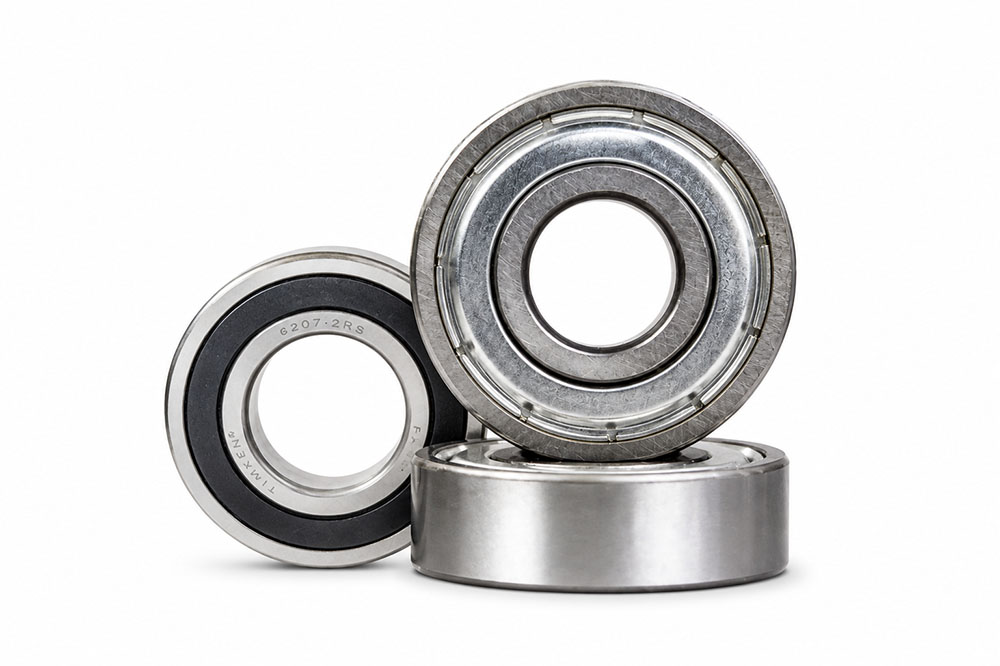
Breaking Down the Common Codes
Z — Single Shield
A metal shield is fitted on one side of the bearing only. The other side remains open, allowing for external lubrication access. This is a low-friction, low-cost option suitable for moderately clean environments where speed matters more than full protection.
ZZ — Double Shield
Metal shields are fitted on both sides of the bearing. This is one of the most popular configurations for general-purpose use, offering basic protection against larger debris on both sides while keeping friction relatively low. ZZ bearings are widely used in motors, fans, and household appliances.
RZ — Single Non-Contact Seal
A rubber seal is installed on one side, but it doesn’t make direct contact with the inner ring — there’s a very small clearance. This offers better dust and splash protection than a shield, while still keeping friction low and allowing for relatively high rotational speeds.
2RZ — Double Non-Contact Seal
The same non-contact rubber seal design is applied to both sides of the bearing. This configuration is a good middle ground: better sealing than ZZ, but lower friction than full contact seals (RS/2RS).
RS — Single Contact Seal
A rubber seal lip makes direct physical contact with the inner ring on one side. This significantly improves sealing performance against dust, water, and contaminants, but the contact also increases friction and slightly reduces the bearing’s maximum speed capability compared to non-contact designs.
2RS — Double Contact Seal
Contact seals are installed on both sides, offering the highest level of protection among the basic options. 2RS bearings are extremely popular in applications exposed to dust, moisture, or washdown conditions — such as outdoor equipment, agricultural machinery, food processing equipment, and bicycles. The trade-off is reduced speed capability and slightly higher operating temperature due to seal friction.
RS1 / 2RS1 — Single/Double Light-Contact Seal
RS1 and 2RS1 (a designation commonly used by manufacturers like SKF) represent a “light contact” or “low-friction contact” seal design. The seal lip touches the inner ring, but with a lighter contact pressure than standard RS/2RS seals. This provides a balance between sealing performance and friction — better protection than non-contact designs (RZ/2RZ), but lower friction and higher speed capability than full-contact seals (RS/2RS). RS1/2RS1 bearings are often used as a premium alternative when both sealing and speed performance are priorities.
Comparison Table
| Type | Contact Level | Sealing Performance | Friction/Speed Impact | Common Use Case |
|---|---|---|---|---|
| Z / ZZ | No contact (shield) | Basic | Minimal | General-purpose, motors, fans |
| RZ / 2RZ | Non-contact seal | Good | Low | Moderate protection, higher speed |
| RS1 / 2RS1 | Light contact | Very good | Moderate | Balanced sealing and speed |
| RS / 2RS | Full contact | Excellent | Higher | Dusty, wet, or washdown environments |
How to Choose the Right Sealing Type
When selecting between these options, consider the following:
- Operating Speed – If your application requires high RPM, shields (Z/ZZ) or non-contact seals (RZ/2RZ) are generally better choices due to lower friction.
- Environmental Exposure – For dusty, humid, or washdown environments, contact seals (RS/2RS) or light-contact seals (RS1/2RS1) offer superior protection.
- Lubrication Maintenance – Open or single-shielded bearings (Z) allow easier relubrication, while fully sealed bearings (2RS) are typically pre-lubricated for life and require no maintenance — but also cannot be relubricated.
- Heat Sensitivity – Contact seals generate more friction-induced heat. In high-temperature applications, non-contact options may be preferable.
- Cost Considerations – Shielded bearings (ZZ) are generally the most economical, while specialized contact seals may carry a price premium.
Conclusion
The choice between shields and seals — Z, ZZ, RZ, 2RZ, RS, 2RS, RS1, or 2RS1 — comes down to a balance between protection and performance. Shields offer minimal friction but limited sealing; non-contact seals improve protection while keeping speed capability relatively high; and contact seals (including the light-contact RS1/2RS1 variants) provide the best defense against contamination at the cost of some added friction. Understanding these distinctions allows engineers and buyers to match the right bearing protection level to their specific operating speed, environment, and maintenance requirements — ultimately improving reliability and extending equipment service life.